
Women’s health is a vital component of comprehensive healthcare, addressing the unique medical needs of women at every stage of life. Hospitals offer a wide range of specialized services for women, from preventive care and routine screenings to treatment for chronic conditions, reproductive health, and emergency services. Understanding the scope of women’s health services in hospitals can empower women to make informed decisions, maintain overall well-being, and access the care they need promptly. This guide explores hospital-based women’s health services, their importance, and what patients should know to navigate care effectively.
What Are Women’s Health Services?
Women’s health services encompass medical care specifically tailored to women, addressing physical, reproductive, and mental health needs. These services recognize the physiological differences between men and women and provide specialized care for conditions that disproportionately affect women. Hospitals offer comprehensive women’s health services that integrate preventive care, diagnostics, treatment, and education.
Key Objectives of Women’s Health Services
- Preventive Care: Routine screenings, vaccinations, and health education to prevent diseases.
- Reproductive Health: Management of menstrual health, contraception, fertility, and pregnancy.
- Chronic Disease Management: Treatment and monitoring of conditions like diabetes, hypertension, and osteoporosis.
- Cancer Screening and Treatment: Early detection and management of breast, cervical, ovarian, and uterine cancers.
- Mental Health Support: Counseling, therapy, and interventions for conditions like depression, anxiety, and postpartum mental health challenges.
Common Women’s Health Services in Hospitals
Hospitals provide a variety of specialized services to cater to women’s health needs at different life stages.
Gynecology Services
Gynecology focuses on the reproductive system and related health concerns. Hospital gynecology services include:
- Routine gynecological exams and Pap smears
- Management of menstrual disorders, endometriosis, and polycystic ovary syndrome (PCOS)
- Diagnosis and treatment of reproductive tract infections
- Surgical interventions such as hysterectomy, laparoscopy, and fibroid removal
Obstetrics Services
Obstetrics addresses pregnancy, childbirth, and postpartum care. Hospital obstetric services include:
- Prenatal care and regular check-ups to monitor maternal and fetal health
- Ultrasound and diagnostic testing during pregnancy
- Labor and delivery services, including natural birth, cesarean section, and high-risk pregnancy management
- Postpartum care and lactation support
Fertility and Reproductive Services
Hospitals offer fertility and reproductive health services for women planning to conceive or facing infertility challenges.
- Fertility assessments and consultations
- Assisted reproductive technologies (ART) such as IVF and IUI
- Hormonal therapies and ovulation management
- Counseling on family planning and reproductive options
Breast Health Services
Breast health is a critical aspect of women’s health. Hospital breast services include:
- Clinical breast exams and mammography
- Ultrasound and MRI for breast evaluation
- Breast cancer screening, diagnosis, and treatment
- Surgical procedures such as lumpectomy, mastectomy, and reconstruction
Cancer Care and Screening
Hospitals provide comprehensive cancer care, emphasizing early detection and treatment.
- Cervical cancer screening through Pap smears and HPV testing
- Ovarian cancer monitoring through imaging and blood tests
- Treatment plans including surgery, chemotherapy, radiation, and targeted therapies
- Patient education and counseling for preventive measures and lifestyle modifications
Menopause and Hormonal Health
Hospitals offer specialized care for women undergoing menopause and managing hormonal changes.
- Hormone replacement therapy (HRT) management
- Screening for osteoporosis and cardiovascular risks
- Counseling for physical and emotional symptoms
- Nutritional and lifestyle guidance to support overall health
Mental Health and Wellness
Women’s mental health is a crucial component of overall well-being. Hospital services include:
- Screening and treatment for depression, anxiety, and postpartum mood disorders
- Therapy and counseling for stress management and emotional well-being
- Support groups and educational programs for coping with life changes
- Integrated care for mental and physical health conditions
Preventive Health Services for Women
Preventive care is essential for early detection and management of health issues. Hospitals emphasize routine screenings and wellness programs to maintain women’s health.
Routine Screenings
- Pap smears for cervical cancer
- Mammograms for breast cancer
- Blood pressure, cholesterol, and diabetes screening
- Bone density scans for osteoporosis risk
Vaccinations
- HPV vaccine to prevent cervical cancer
- Flu and COVID-19 vaccinations
- Tdap and other recommended immunizations for women of reproductive age
Health Education
- Nutrition and lifestyle counseling
- Exercise and weight management programs
- Awareness campaigns for women’s health conditions
- Guidance on reproductive and sexual health
Specialized Women’s Health Units in Hospitals
Many hospitals have dedicated women’s health units or centers that offer comprehensive care under one roof.
Women’s Health Clinics
These clinics provide consultations, diagnostic services, and treatment plans tailored to women’s needs.
Maternal and Child Health Units
Focus on pregnancy care, childbirth, and newborn health, ensuring both mother and baby receive high-quality care.
Oncology Centers for Women
Specialized units that focus on cancers predominantly affecting women, providing screening, treatment, and support services.
Reproductive Endocrinology and Fertility Centers
Offer specialized fertility treatments, hormonal evaluations, and reproductive counseling.
Emergency Women’s Health Services
Hospitals provide emergency care for women-specific conditions that require immediate attention.
- Complications during pregnancy such as preeclampsia or hemorrhage
- Severe gynecological pain or abnormal bleeding
- Suspected breast lumps or trauma
- Acute mental health crises or suicidal ideation
The Role of Technology in Women’s Health Services
Modern hospitals leverage technology to improve diagnosis, treatment, and patient experience.
Electronic Health Records (EHR)
EHRs provide a comprehensive view of a woman’s medical history, ensuring coordinated and personalized care.
Telemedicine
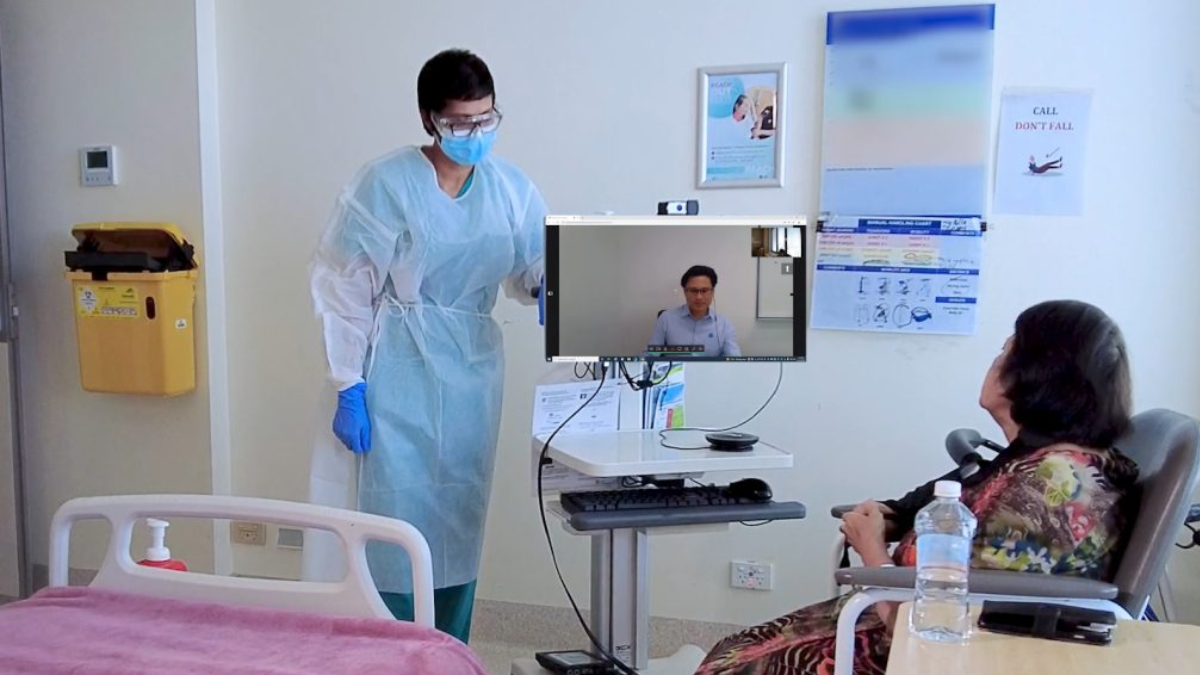
Remote consultations allow women to access specialists, receive follow-up care, and manage chronic conditions from home.
Advanced Diagnostic Tools
Imaging techniques like 3D mammography, ultrasound, and MRI improve early detection and accurate diagnosis.
AI and Predictive Analytics
AI helps in risk assessment, predicting complications, and tailoring treatment plans for individual patients.
Challenges in Women’s Health Care
Despite advances, women’s health services face several challenges.
Access to Care
Geographical, financial, and social barriers can limit access to specialized women’s health services.
Awareness and Education
Lack of awareness about preventive care and screening programs can delay diagnosis and treatment.
Gender Bias in Healthcare
Women’s symptoms are sometimes underestimated or misdiagnosed, leading to delayed interventions.
Cost of Care
Specialized treatments, fertility services, and cancer care can be expensive, creating financial challenges for patients.
Emotional and Mental Health Support
Addressing emotional and psychological needs remains a critical area that requires more resources and attention.
Tips for Women Seeking Hospital-Based Health Services
- Schedule regular check-ups and screenings according to age and risk factors.
- Choose hospitals with dedicated women’s health units or experienced specialists.
- Maintain an updated medical history and list of medications.
- Ask questions and actively participate in care decisions.
- Explore insurance coverage and financial assistance programs for specialized treatments.
- Utilize telemedicine for follow-ups and non-emergency consultations.
- Prioritize mental health alongside physical health.
Conclusion
Women’s health services in hospitals provide comprehensive care that addresses the unique medical, reproductive, and mental health needs of women. From preventive screenings and reproductive health to cancer care, menopause management, and mental wellness, hospitals offer a wide array of services designed to enhance quality of life. Awareness, timely access, and active participation in care can empower women to make informed health decisions. As healthcare continues to advance with technology, integrated services, and specialized programs, women are better positioned to achieve optimal health outcomes and well-being.
FAQs
1. What services are included in women’s health in hospitals?
Women’s health services include gynecology, obstetrics, fertility treatments, cancer screening and treatment, menopause care, mental health support, and preventive screenings.
2. How often should women undergo preventive screenings?
Screening frequency varies by age and risk factors; for example, Pap smears are typically every 3 years for women aged 21–65, and mammograms usually start at age 40.
3. Are there specialized hospitals for women’s health?
Yes, many hospitals have dedicated women’s health units, clinics, or centers offering comprehensive services under one roof.
4. Can I access women’s health services through telemedicine?
Yes, many hospitals provide virtual consultations for follow-ups, chronic condition management, and initial assessments.
5. What should I consider when choosing a hospital for women’s health services?
Consider the hospital’s expertise, availability of specialists, range of services, technology, patient reviews, and insurance coverage.