Hospital Hygiene And Sanitation: Best Practices For Patient Safety

Hospital Hygiene And Sanitation: Best Practices For Patient Safety

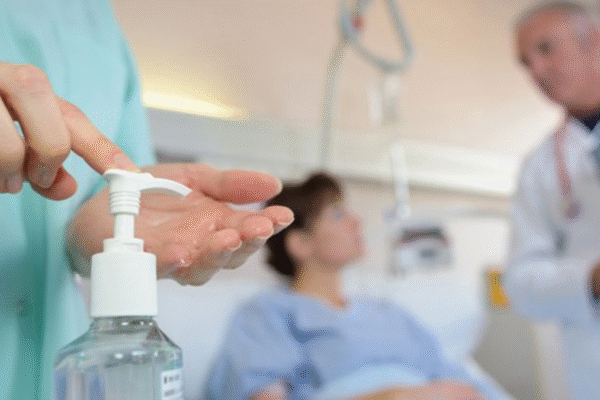
Hospital hygiene and sanitation are fundamental aspects of healthcare that ensure patient safety, prevent infections, and promote overall well-being. Maintaining a clean and sterile environment in hospitals is critical due to the high risk of healthcare-associated infections (HAIs) that can compromise patient outcomes. Hospitals must adopt rigorous hygiene and sanitation protocols, including hand hygiene, sterilization…


Read More
Emergency Room Protocols: What You Need To Know

Emergency Room Protocols: What You Need To Know

The emergency room (ER) is the front line of healthcare, providing immediate care to patients facing life-threatening conditions or sudden illnesses. For many, visiting the ER can be stressful and confusing, especially if they are unfamiliar with how emergency care operates. Understanding emergency room protocols can help patients navigate the system effectively, ensure timely treatment,…

Read More
Choose the Right Hospital

How to Choose the Right Hospital for Specialized Treatments

When it comes to specialized medical treatments—such as cardiac surgery, cancer therapy, organ transplants, or neurological procedures—choosing the right hospital is crucial. The quality of care, expertise of the medical team, available facilities, and patient support services all play a significant role in recovery and treatment success. This guide explores key factors to consider when…

Read More
Hospital Management Systems

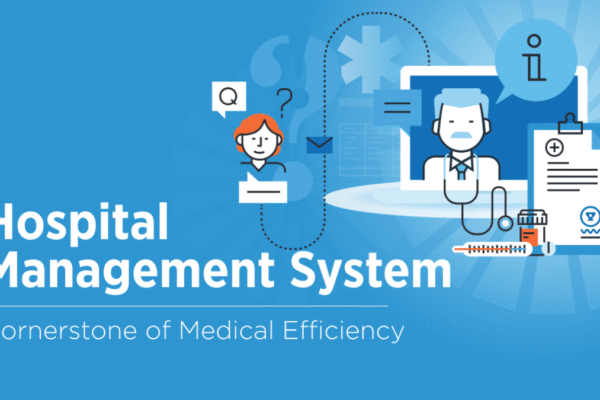
Hospital Management Systems: Improving Patient Care and Efficiency

In today’s fast-paced healthcare environment, hospitals are under constant pressure to provide high-quality care while managing resources efficiently. One of the most effective solutions to achieve these goals is implementing a robust Hospital Management System (HMS). By integrating technology with healthcare processes, HMS streamlines operations, enhances patient care, and reduces administrative burdens. What is a…

Read More
Emergency Room

A Complete Guide to Emergency Room Procedures and Protocols

The Emergency Room (ER) is a critical department in any hospital, designed to provide immediate medical care to patients with life-threatening or urgent conditions. ER staff must act swiftly, follow established protocols, and coordinate with multiple departments to ensure patient safety and effective treatment. Understanding ER procedures and protocols is essential for both healthcare professionals…

Read More
Role of Nurses

The Role of Nurses and Doctors in Hospital Patient Care

Hospitals are complex ecosystems where patient care relies on a coordinated effort between various healthcare professionals. Among these, doctors and nurses play a central role. While doctors diagnose, prescribe, and make critical medical decisions, nurses ensure continuous patient monitoring, care, and support. Their combined efforts determine patient outcomes, satisfaction, and the overall efficiency of hospital…

Read More