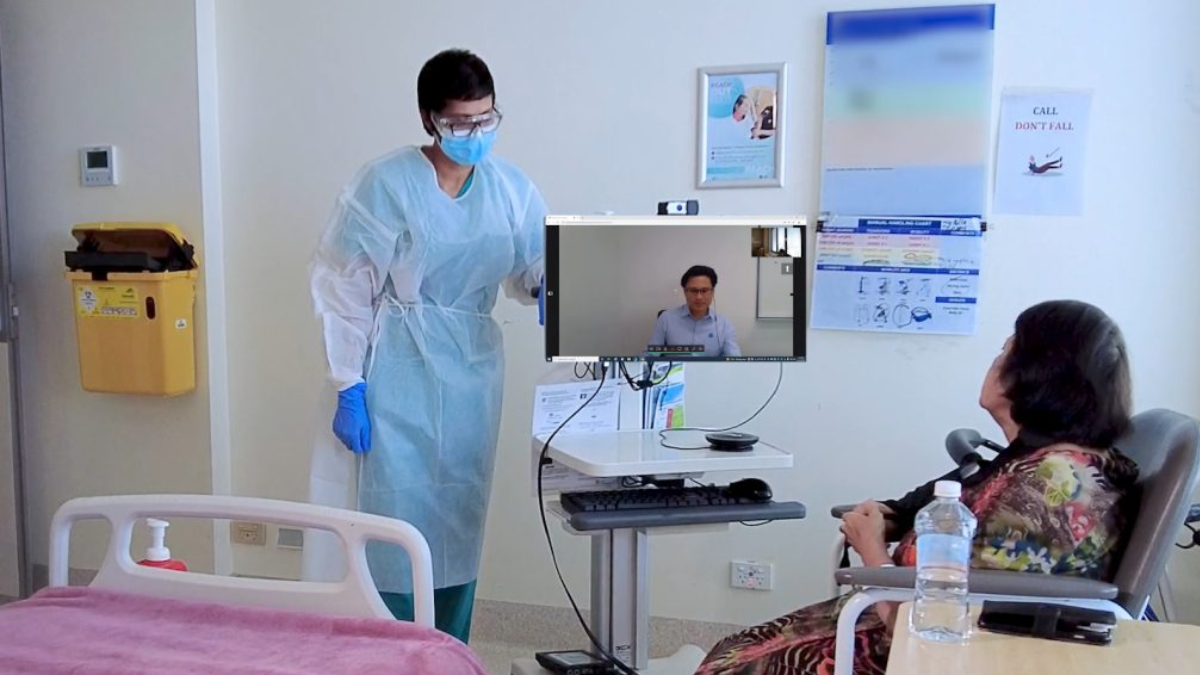

Hospitals are complex ecosystems where patient care relies on a coordinated effort between various healthcare professionals. Among these, doctors and nurses play a central role. While doctors diagnose, prescribe, and make critical medical decisions, nurses ensure continuous patient monitoring, care, and support. Their combined efforts determine patient outcomes, satisfaction, and the overall efficiency of hospital operations.
The Role of Doctors in Patient Care
1. Diagnosis and Treatment
Doctors are primarily responsible for diagnosing illnesses, interpreting lab results, and determining the appropriate treatment plan. Their expertise allows them to make critical decisions that directly affect patient recovery.
2. Prescribing Medication
Doctors prescribe medications and therapies based on patient conditions. They adjust dosages, monitor side effects, and ensure medications are safe and effective for individual patients.
3. Performing Medical Procedures
From minor procedures to complex surgeries, doctors perform interventions to treat diseases, injuries, or chronic conditions. They are trained to manage complications and respond to emergencies effectively.
4. Patient Education
Doctors educate patients and their families about diseases, treatment options, and preventive care. This guidance helps patients make informed decisions and promotes long-term health management.
5. Collaboration with Other Professionals
Doctors work closely with nurses, pharmacists, lab technicians, and therapists to coordinate comprehensive care plans. This multidisciplinary approach ensures that all aspects of a patient’s health are addressed.
The Role of Nurses in Patient Care
1. Continuous Monitoring
Nurses provide round-the-clock monitoring of patients’ vital signs, symptoms, and overall condition. They detect early signs of complications and notify doctors promptly, enabling timely interventions.
2. Administering Medications and Treatments
Nurses ensure that patients receive medications, injections, IV therapy, and other treatments as prescribed by doctors. They also educate patients on how to manage medications at home.
3. Patient Support and Comfort
Nurses assist patients with daily activities, provide emotional support, and maintain patient comfort. Their presence reduces anxiety and improves the hospital experience for patients and families.
4. Record Keeping and Documentation
Nurses maintain detailed records of patient conditions, treatments, and progress. Accurate documentation ensures continuity of care and provides critical information for doctors and other medical staff.
5. Advocacy and Communication
Nurses act as advocates for patients, communicating their needs and concerns to doctors and hospital staff. This ensures that patients receive care that respects their preferences and dignity.
How Doctors and Nurses Collaborate
1. Care Planning
Doctors and nurses collaborate to create individualized care plans. Nurses provide insights from continuous patient observation, helping doctors adjust treatment as needed.
2. Multidisciplinary Teams
Patient care often involves teams comprising doctors, nurses, therapists, and pharmacists. Effective communication among team members ensures that care is safe, timely, and efficient.
3. Emergency Response
In critical situations, doctors make rapid medical decisions while nurses implement life-saving interventions, monitor vital signs, and coordinate with other departments.
4. Patient Education and Follow-Up
Doctors and nurses jointly educate patients and families about treatment plans, rehabilitation, and preventive care. Nurses often handle follow-up communication and ensure adherence to medical advice.
Importance of Their Roles in Patient Outcomes
- Improved Recovery Rates – Continuous monitoring and timely medical intervention reduce complications.
- Patient Safety – Collaboration ensures errors are minimized, medications are administered correctly, and procedures are safe.
- Emotional Support – Nurses provide psychological comfort, which positively impacts patient healing.
- Efficient Healthcare Delivery – Doctors’ decisions combined with nurses’ care ensure efficient use of hospital resources.
- Education and Awareness – Both doctors and nurses help patients understand their conditions, promoting long-term wellness.
Challenges Faced by Doctors and Nurses
- Workload and Staffing – High patient-to-staff ratios can lead to burnout and affect care quality.
- Communication Gaps – Miscommunication between doctors and nurses may cause errors or delays in treatment.
- Emotional Strain – Dealing with critically ill or dying patients can be emotionally challenging.
- Rapidly Changing Medical Knowledge – Continuous learning is required to keep up with new treatments and technologies.
- Infection Risk – Working closely with sick patients exposes healthcare professionals to infections.
Conclusion
Doctors and nurses are the backbone of hospital patient care. While doctors provide medical expertise and make critical decisions, nurses ensure ongoing care, monitoring, and support. Their collaboration, communication, and dedication directly influence patient recovery, safety, and satisfaction. Hospitals that foster strong teamwork between doctors and nurses achieve better health outcomes and provide a higher quality of care.
FAQs
Q: Can nurses prescribe medication?
A: Generally, nurses do not prescribe medications, except in some regions where nurse practitioners have prescribing authority.
Q: How do nurses support doctors?
A: Nurses monitor patients, provide feedback, administer treatments, maintain records, and communicate patient needs, supporting doctors in decision-making.
Q: Why is teamwork between doctors and nurses important?
A: Effective teamwork reduces errors, improves patient outcomes, and ensures comprehensive, coordinated care.
Q: Do doctors and nurses share patient education responsibilities?
A: Yes, doctors provide medical explanations while nurses reinforce instructions and provide practical guidance for daily care.
Q: What are the biggest challenges for hospital staff?
A: High workload, emotional stress, risk of infection, and staying updated with medical advancements are key challenges.