In today’s fast-paced healthcare environment, hospitals are under constant pressure to provide high-quality care while managing resources efficiently. One of the most effective solutions to achieve these goals is implementing a robust Hospital Management System (HMS). By integrating technology with healthcare processes, HMS streamlines operations, enhances patient care, and reduces administrative burdens.
What is a Hospital Management System?
A Hospital Management System (HMS) is an integrated software solution designed to manage the various administrative, financial, and clinical aspects of a hospital. HMS connects departments such as patient registration, appointments, pharmacy, laboratory, billing, and electronic medical records, creating a centralized platform for hospital operations.
Key Features of Hospital Management Systems
- Patient Registration and Admission: Simplifies patient intake, capturing personal and medical details.
- Electronic Medical Records (EMR): Stores patient history, lab reports, imaging, and treatment plans digitally.
- Appointment Scheduling: Manages doctor availability and reduces waiting times.
- Billing and Invoicing: Automates billing, insurance claims, and payment tracking.
- Inventory and Pharmacy Management: Tracks medical supplies, medications, and consumables efficiently.
- Laboratory and Diagnostic Management: Integrates lab results, imaging, and pathology reports into patient records.
- Analytics and Reporting: Provides insights into hospital performance, resource utilization, and patient outcomes.
How Hospital Management Systems Improve Patient Care
Enhanced Patient Experience
By streamlining registration, appointment scheduling, and billing, HMS reduces waiting times and administrative hassles, resulting in a smoother and more satisfying patient experience.
Accurate and Accessible Patient Records
Electronic medical records provide doctors with real-time access to patient history, medications, allergies, and previous treatments. This reduces errors, supports informed decision-making, and improves treatment outcomes.
Efficient Communication
HMS facilitates seamless communication between doctors, nurses, and administrative staff. Alerts, reminders, and notifications ensure timely interventions and coordinated care.
Personalized Care
With comprehensive patient data, hospitals can offer personalized treatment plans and follow-up care, improving recovery rates and patient satisfaction.
Improved Safety and Compliance
HMS ensures adherence to clinical guidelines, tracks medication administration, and reduces the risk of errors. It also supports compliance with healthcare regulations and accreditation standards.
How Hospital Management Systems Boost Efficiency
Streamlined Administrative Processes
Manual paperwork, record-keeping, and billing are time-consuming and prone to errors. HMS automates these tasks, freeing staff to focus on patient care.
Resource Optimization
HMS provides insights into bed availability, staff scheduling, and equipment usage, enabling hospitals to allocate resources efficiently.
Cost Reduction
By minimizing paperwork, avoiding duplicate tests, and optimizing inventory, HMS reduces operational costs and improves hospital profitability.
Data-Driven Decision Making
Advanced analytics and reporting features allow hospital management to monitor performance, identify bottlenecks, and implement strategies to improve efficiency and patient outcomes.
Challenges in Implementing Hospital Management Systems
- High Initial Investment: Installing HMS and training staff can be costly for hospitals.
- Resistance to Change: Staff may be reluctant to adopt new technologies.
- Data Security Concerns: Protecting sensitive patient information requires robust cybersecurity measures.
- System Integration: Integrating HMS with existing hospital infrastructure can be complex.
Despite these challenges, the long-term benefits of improved patient care, operational efficiency, and compliance outweigh the initial hurdles.
Future Trends in Hospital Management Systems
- Cloud-Based Solutions: Allow remote access, scalability, and lower infrastructure costs.
- Artificial Intelligence and Machine Learning: Predict patient needs, optimize resource allocation, and assist in diagnostics.
- Mobile Integration: Enables patients to book appointments, access records, and communicate with healthcare providers via mobile apps.
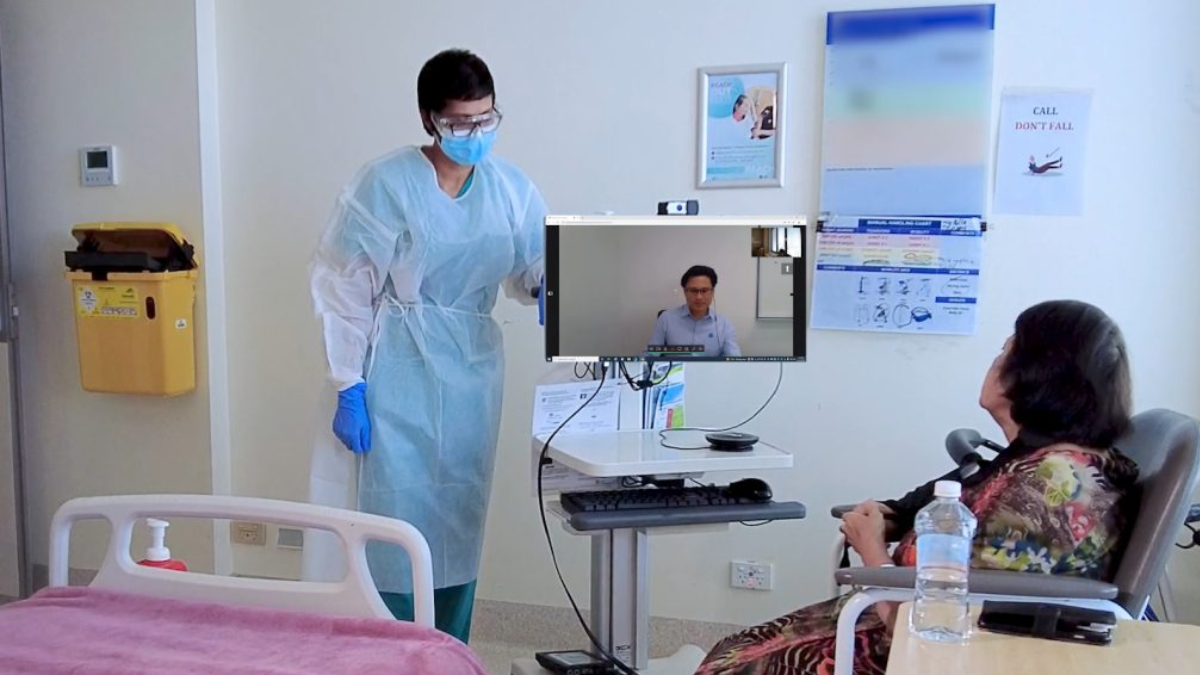
- Telemedicine Integration: Connects remote patients with hospital services efficiently.
- Interoperability Standards: Facilitates seamless data sharing between hospitals, labs, pharmacies, and insurance providers.
Conclusion
Hospital Management Systems are transforming modern healthcare by combining technology with hospital operations. By improving patient care, enhancing efficiency, and ensuring data-driven decision-making, HMS enables hospitals to deliver high-quality, patient-centered services. Investing in an effective HMS is no longer optional—it is essential for hospitals seeking to thrive in an increasingly competitive and complex healthcare landscape.
FAQs
1. What is the difference between HMS and EMR?
HMS is a comprehensive system that manages hospital operations, while EMR focuses specifically on storing and managing patient medical records. HMS often includes EMR as one of its modules.
2. Can small hospitals implement HMS?
Yes, many scalable HMS solutions cater to small and medium hospitals, offering essential modules without high costs.
3. How does HMS improve patient safety?
By providing accurate patient records, medication tracking, alerts for allergies, and clinical decision support, HMS reduces errors and enhances patient safety.
4. Is staff training necessary for HMS?
Yes, proper training ensures smooth adoption, efficient use, and maximized benefits from the system.
5. Can HMS integrate with telemedicine services?
Yes, modern HMS platforms often integrate with telemedicine tools, allowing remote consultations, patient monitoring, and digital communication.