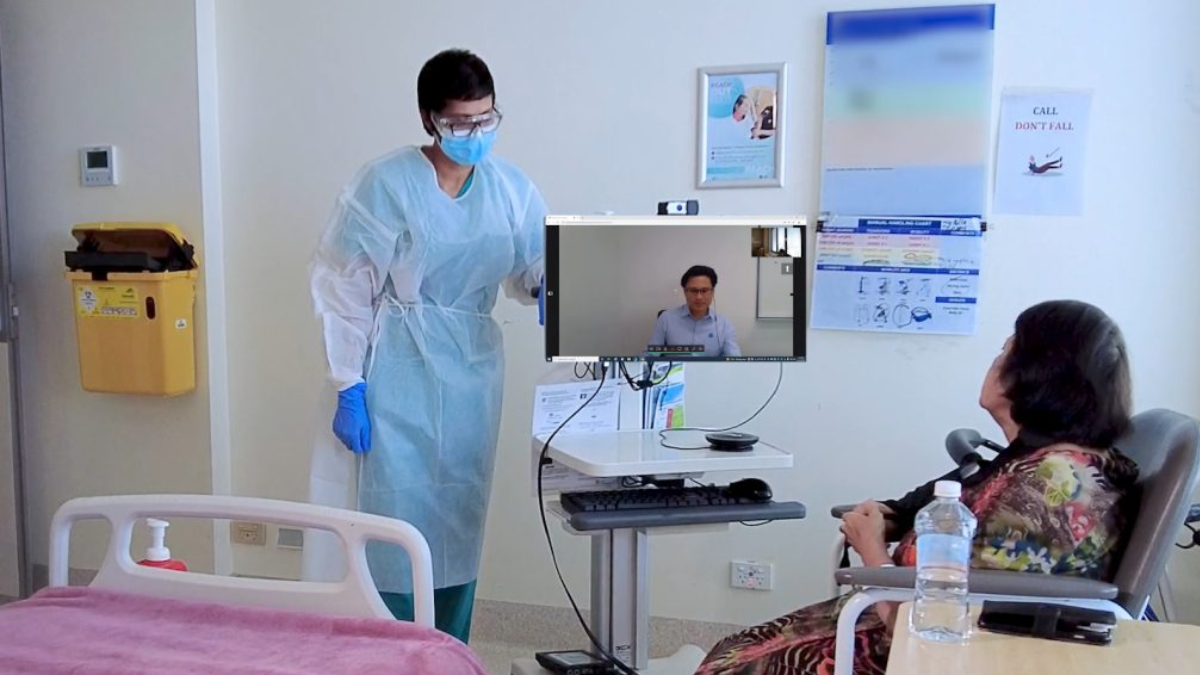

The Emergency Room (ER) is a critical department in any hospital, designed to provide immediate medical care to patients with life-threatening or urgent conditions. ER staff must act swiftly, follow established protocols, and coordinate with multiple departments to ensure patient safety and effective treatment. Understanding ER procedures and protocols is essential for both healthcare professionals and patients to navigate emergency situations efficiently.
The Role of the Emergency Room
The ER serves as the first point of care for patients experiencing medical emergencies, including:
- Severe injuries from accidents
- Heart attacks or strokes
- Breathing difficulties
- Severe infections or allergic reactions
- Sudden onset of critical symptoms
ER staff stabilize patients, perform diagnostics, and determine whether admission, specialized care, or discharge is appropriate.
ER Procedures and Protocols
1. Triage
Triage is the process of prioritizing patients based on the severity of their condition. Key points include:
- Initial Assessment: Patients are quickly evaluated for life-threatening conditions.
- Categorization: Patients are classified as critical, urgent, or non-urgent.
- Resource Allocation: Ensures the most severe cases are treated immediately.
2. Registration and Documentation
Even in emergencies, ER staff must record essential patient information:
- Personal details and medical history
- Allergies and medications
- Symptoms and time of onset
- Insurance and emergency contacts
Accurate documentation ensures continuity of care and legal compliance.
3. Initial Assessment and Vital Signs
After triage, ER nurses or doctors perform a rapid assessment:
- Checking heart rate, blood pressure, respiration, temperature, and oxygen levels
- Identifying immediate life threats
- Initiating emergency interventions such as oxygen therapy, IV access, or cardiac monitoring
4. Diagnostic Testing
ER patients often undergo quick diagnostic tests to guide treatment:
- Blood tests, urinalysis, or cultures
- Imaging: X-rays, CT scans, MRI, or ultrasound
- Electrocardiograms (ECG) for cardiac assessment
5. Immediate Treatment
Once a diagnosis is suspected or confirmed, ER staff provide urgent care:
- Administering medications for pain, infections, or allergic reactions
- Wound care and suturing for injuries
- Stabilizing fractures or dislocations
- Emergency procedures like intubation, defibrillation, or CPR
6. Specialist Consultation
For complex cases, ER doctors consult specialists:
- Cardiologists for heart conditions
- Neurologists for strokes or seizures
- Surgeons for severe trauma
- Pediatric or obstetric specialists for age-specific emergencies
7. Observation and Monitoring
Some patients are monitored in ER observation units:
- Continuous vital signs monitoring
- Repeated lab tests or imaging
- Assessment for potential admission or discharge
8. Discharge or Admission
After treatment, ER protocols determine the next steps:
- Discharge: Patients with non-critical issues receive instructions for home care, medications, and follow-up appointments.
- Admission: Patients requiring ongoing care are transferred to appropriate hospital wards.
Key ER Staff Roles
1. ER Physicians
- Lead patient evaluation and treatment
- Perform emergency procedures
- Coordinate with specialists
2. Nurses
- Conduct triage and continuous monitoring
- Administer medications and treatments
- Provide patient and family support
3. Technicians and Support Staff
- Perform diagnostic tests
- Prepare equipment for procedures
- Assist in patient transfers
4. Administrative Staff
- Register patients
- Maintain records
- Communicate with insurance providers and family members
Emergency Room Safety Protocols
- Infection Control: Strict hygiene, use of gloves, masks, and sterilization
- Patient Identification: Wristbands and barcode scanning to prevent errors
- Rapid Response: Protocols for cardiac arrest, respiratory failure, or mass casualty events
- Communication: Clear handoffs between staff during shift changes
- Medication Safety: Double-checking doses, patient allergies, and IV lines
Common ER Procedures
- CPR (Cardiopulmonary Resuscitation) – Life-saving technique for cardiac arrest
- Defibrillation – Electrical shock to restore heart rhythm
- Intubation – Securing the airway in patients with breathing difficulties
- Wound Care and Suturing – Treating lacerations and injuries
- Fracture Stabilization – Casting or splinting broken bones
- Emergency Medication Administration – Antibiotics, pain relief, or epinephrine for anaphylaxis
Challenges in the ER
- High patient volume and overcrowding
- Managing life-threatening emergencies under time pressure
- Coordinating with multiple departments and specialists
- Ensuring safety for patients and staff
- Emotional stress and burnout among healthcare providers
Tips for Patients in the ER
- Provide accurate medical history and list of medications
- Stay calm and follow staff instructions
- Notify staff of allergies or prior conditions
- Bring identification and insurance information
- Understand that triage prioritizes based on medical need, not arrival time
Conclusion
The Emergency Room is a vital part of hospital care, providing immediate treatment for critical conditions. Understanding ER procedures and protocols highlights the importance of coordinated efforts between doctors, nurses, and support staff. Efficient triage, timely diagnostics, rapid treatment, and proper monitoring ensure patient safety and improve outcomes. By following established protocols, ER teams can save lives and maintain high-quality care in high-pressure situations.
FAQs
Q: What is triage in the ER?
A: Triage is the process of prioritizing patients based on the severity of their condition to ensure those with the most urgent needs are treated first.
Q: How long do patients stay in the ER?
A: Stay duration depends on condition severity. Some patients are treated and discharged quickly, while others may require admission or extended observation.
Q: Who is responsible for patient monitoring in the ER?
A: Nurses are primarily responsible for continuous monitoring, with doctors overseeing critical decisions and interventions.
Q: What should I bring to the ER?
A: Bring personal identification, insurance information, a list of current medications, and medical history.
Q: Can anyone go to the ER?
A: Yes, the ER is open to anyone experiencing a medical emergency, regardless of prior appointments or insurance status.