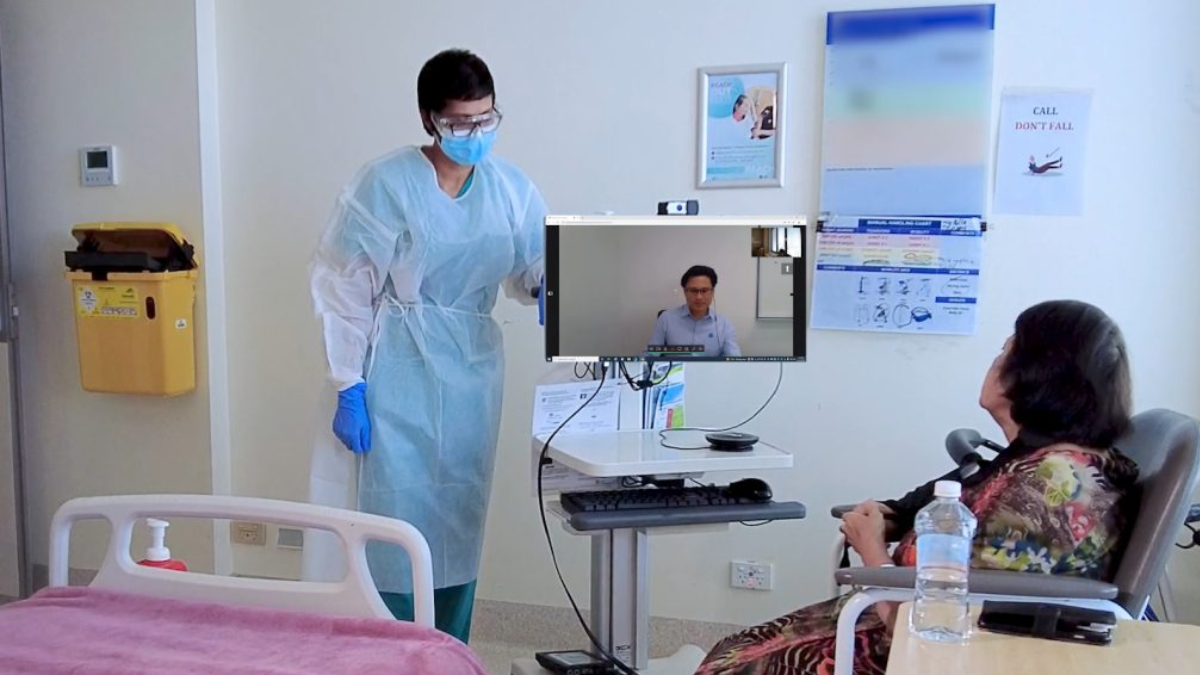

Hospitals today are undergoing a profound transformation. The digital revolution, accelerated by global health crises, has pushed healthcare institutions to rapidly adapt and innovate. From telemedicine to artificial intelligence (AI), remote monitoring, and cloud-based electronic health records (EHRs), digital healthcare is reshaping not just how care is delivered, but also how hospitals operate, engage with patients, and plan for the future. This article explores how hospitals are adapting to digital healthcare — the strategies they are using, the challenges they face, and the opportunities ahead.
Digital Healthcare: What It Means for Hospitals
What Is Digital Healthcare?
Digital healthcare refers to the use of digital technologies — such as telemedicine, mobile health apps, wearable devices, cloud-based data platforms, AI, and big data analytics — to enhance the effectiveness, efficiency, accessibility, and personalization of healthcare delivery. For hospitals, this means integrating these technologies into traditional clinical and administrative workflows.
Why Hospitals Are Embracing Digital Healthcare
There are several drivers encouraging hospitals to adapt to digital healthcare:
- Patient demand: Patients now expect convenience, remote access, and real‑time engagement with their healthcare providers.
- Cost pressures: Digital tools can reduce hospital stays, readmissions, and administrative inefficiencies.
- Regulatory support: Many governments and regulatory bodies incentivize digital health adoption through policy reforms and funding.
- Technological maturity: The increasing maturity and affordability of technologies such as AI, cloud computing, and wearable sensors make digital transformation feasible.
- Public health emergencies: Events like pandemics accelerate telehealth adoption and force hospitals to modernize rapidly.
Key Areas of Digital Transformation in Hospitals
Hospitals are not adopting digital healthcare uniformly; their strategies often focus on key areas where impact is greatest. Below are the major domains of transformation.
Telemedicine and Telehealth
Remote Consultations
One of the most visible shifts is telemedicine. Hospitals are increasingly offering virtual consultations — video calls, phone calls, and even asynchronous messaging — for routine check‑ups, chronic disease management, mental health support, and follow-up care. This reduces the burden on physical infrastructure and improves patient reach.
Virtual Triage and Urgent Care
Some hospitals set up digital triage systems, allowing patients to input symptoms through an app or web portal. AI‑powered chatbots or decision-support systems help triage patients to either self-care, virtual consultation, or in-person care, improving efficiency and reducing emergency department overload.
Remote Specialty Care
Telehealth is not limited to general medicine. Many hospitals are leveraging tele‑specialty services — such as telecardiology, teleoncology, or teledermatology — bringing specialist expertise to remote or underserved regions without requiring travel.
Electronic Health Records (EHR) and Data Platforms
Cloud-Based EHR Systems
Hospitals are migrating from on-premises, siloed record systems to cloud-based EHR platforms. These systems offer better scalability, interoperability, and accessibility, enabling authorized staff to access patient records securely from multiple locations.
Interoperability and Data Sharing
Digital healthcare demands seamless data sharing. Hospitals are adopting interoperability standards (like HL7 FHIR) to integrate EHR data with other systems — labs, imaging, pharmacies, and external care providers. This ensures that patient information flows smoothly and supports continuity of care.
Data Analytics and Predictive Insights
By leveraging big data analytics, hospitals can identify patterns in patient populations — such as risk factors for readmission, outcomes trends, or resource utilization. Predictive models powered by AI help hospitals anticipate demand, optimize staffing, and improve patient outcomes.
Remote Monitoring and Wearables
Patient Monitoring at Home
Hospitals are increasingly prescribing wearable devices — smartwatches, glucose monitors, blood pressure cuffs, pulse oximeters — that transmit data in real time to clinicians. This continuous monitoring enables early detection of deteriorating conditions, reducing hospital readmissions.
Chronic Disease Management
For conditions like diabetes, heart failure, or hypertension, remote monitoring platforms allow hospitals to keep tabs on patients’ vital signs between visits. Digital dashboards alert care teams to concerning trends, enabling prompt intervention.
Post‑Discharge Care
After discharge, hospitals use remote monitoring to follow up with patients. Tracking recovery metrics (e.g., mobility, wound healing, vital statistics) helps clinicians intervene early if problems arise, reducing the risk of complications or re-hospitalization.
Artificial Intelligence, Machine Learning, and Automation
Clinical Decision Support
AI and machine learning are being used to enhance clinical decision support. Hospitals deploy algorithms to assist diagnoses (e.g., image‑based diagnosis in radiology or pathology), recommend treatment plans, or flag high-risk patients for proactive care.
Operational Efficiency
Beyond patient care, AI is reshaping back-office operations. Hospitals use automation to optimize scheduling, predict inpatient admissions, and manage supply chains. For example, predictive models can forecast which departments will see surges in demand or which medical supplies might deplete.
Robotics and Automation
Some hospitals are also using robotic process automation (RPA) to automate routine administrative tasks — billing, patient registration, inventory management. In clinical settings, robotic systems help with pharmacy dispensing or logistics within the hospital (e.g., autonomous robots delivering supplies or meals).
Patient Engagement and Digital Experience
Patient Portals and Apps
Digital patient portals and mobile apps allow patients to view their medical records, schedule appointments, request prescription refills, and communicate securely with their care teams. These tools increase patient satisfaction, transparency, and engagement in their own care.
Tele-Education and Digital Literacy
To help patients benefit from digital healthcare, hospitals run digital literacy programs. They teach patients how to use mobile apps, monitor devices, and engage with telehealth platforms. Education ensures that technology combats, rather than exacerbates, health inequities.
Personalized Care Plans
Hospitals are using data collected through digital tools to tailor care plans. For example, remote monitoring data might trigger personalized behavioral nudges (text messages, reminders), or AI-driven insights may guide interventions customized to a patient’s lifestyle, preferences, and risk factors.
Cybersecurity and Data Privacy
Protecting Patient Data
As hospitals collect more data through digital systems, the risk of data breaches and cyberattacks intensifies. Institutions are investing heavily in cybersecurity measures — encryption, multi-factor authentication, secure cloud architectures — to protect patient information.
Compliance and Regulation
Hospitals must adhere to regional and national data-protection regulations (e.g., HIPAA in the U.S., GDPR in Europe, or country-specific laws elsewhere). Compliance requires regular audits, robust consent frameworks, and transparent communication with patients about data use.
Risk Management and Resilience
Beyond prevention, hospitals build incident-response plans. These include backup systems, disaster-recovery strategies, and clear protocols for responding to cyberattacks or system failures, ensuring continuity of care even during disruptions.
Workforce Training and Digital Culture
Upskilling Clinicians
Implementing digital tools requires staff to be digitally literate. Hospitals run training programs and workshops to help doctors, nurses, and administrative staff use EHRs, telehealth platforms, AI recommendations, and remote-monitoring dashboards effectively.
Change Management
Digital transformation is as much cultural as technological. Hospitals form cross-functional teams (clinical, IT, operations) to champion innovation, address resistance, and embed digital practices into daily routines.
Digital Leadership
Many hospitals appoint Chief Digital Officers (CDOs) or digital health units tasked with driving strategy, governance, and implementation. These leaders align digital priorities with the hospital’s broader mission and financial goals.
Challenges in Adapting to Digital Healthcare
Although digital healthcare offers immense potential, hospitals face significant challenges in adoption and integration.
Financial Barriers
Implementing digital infrastructure (cloud systems, remote monitoring platforms, AI tools) demands capital investment. Smaller or resource-constrained hospitals may struggle to fund these changes, especially if reimbursement models don’t yet fully support digital care.
Regulatory and Policy Challenges
Regulatory frameworks often lag behind technological innovation. Hospitals must navigate complex legal landscapes, data‐privacy laws, licensing for telehealth, and cross-border care regulations — which can slow down implementation.
Interoperability and Standardization
Despite efforts, data silos continue to limit interoperability. Hospitals may use systems from different vendors that do not communicate well, complicating data-sharing and integration. Lack of standardization across platforms remains a key hurdle.
Digital Divide and Equity
Not all patients have access to digital tools or high-speed internet. This digital divide risks exacerbating inequalities: vulnerable populations, elderly patients, or low‑income groups may find remote care difficult to access or navigate.
Cybersecurity Risks
Digital systems increase the attack surface for cyber threats. Hospitals must constantly defend against data breaches, ransomware attacks, and insider threats. Maintaining robust security is expensive and complex.
Clinician Burnout
While digital tools can streamline workflows, poorly designed systems can burden clinicians. Excessive alerts, “click fatigue” in EHRs, and long virtual workflows may contribute to burnout rather than alleviate it.
Trust and Adoption by Patients
Some patients may be skeptical about virtual care or AI-driven decision-making. Building trust is critical — hospitals must demonstrate the reliability, safety, and benefits of digital healthcare while maintaining a human touch.
How Hospitals Are Overcoming These Challenges
Hospitals are innovating not just in technology, but also in strategy, governance, and partnerships, to address these challenges.
Strategic Investment and Partnership
- Public–private partnerships: Hospitals are collaborating with tech companies, startups, and academic institutions to co-develop digital health solutions, sharing risk, cost, and expertise.
- Grants and funding: Many hospitals leverage grants from governments or health foundations to subsidize digital transformation.
- Phased rollouts: Rather than full-scale launches, hospitals begin with pilot projects — for instance, in a single department or with a subset of patients — then scale based on learnings.
Regulatory Readiness and Compliance
- Regulatory teams: Hospitals set up dedicated teams to monitor evolving regulations, ensure compliance, and advocate for policy reforms that support digital care.
- Standard frameworks: By adopting internationally recognized data standards (e.g., HL7, FHIR), hospitals improve interoperability and ease integration challenges.
- Patient consent models: Hospitals implement robust consent mechanisms, allowing patients to control how their data is used and shared.
Addressing the Digital Divide
- Digital inclusion initiatives: Hospitals launch community outreach programs, lending devices (tablets, smartphones), or partnering with NGOs to ensure underserved populations can access telehealth.
- User‑friendly design: Telehealth platforms are being simplified, with intuitive interfaces, multilingual support, and low-bandwidth options (e.g., audio-only calls).
- Training for patients: Hospitals provide digital literacy workshops and support services to help patients navigate apps and remote monitoring tools confidently.
Cybersecurity Measures
- Advanced security architectures: Hospitals deploy strong encryption, identity and access management (IAM), zero-trust network architectures, and regular security audits.
- Incident-response planning: Detailed plans for cyber incidents, backed by regular drills, ensure that hospitals can recover quickly and maintain continuity of care.
- User training: Staff receive ongoing training on cybersecurity best practices, phishing awareness, and secure use of devices and systems.
Fostering a Digital Culture
- Change management programs: Hospitals appoint change champions, encourage staff feedback, and co-create digital workflows with frontline clinicians to make adoption smoother.
- Leadership commitment: CDOs or digital health units report directly to hospital leadership, aligning digital initiatives with strategic goals.
- Feedback loops: Hospitals continuously refine digital tools based on user feedback (both staff and patients), improving usability and reducing burnout.
Measuring Impact
- Key Performance Indicators (KPIs): Hospitals track metrics such as telehealth adoption rates, readmission rates, patient satisfaction, cost savings, and clinical outcomes.
- Continuous improvement: Based on these metrics, hospitals iterate on workflows, refine algorithms, and optimize care pathways.
- Public reporting: Some hospitals publish their digital health performance, fostering transparency and trust with patients and stakeholders.
Success Stories and Examples
To illustrate how hospitals are successfully adapting to digital healthcare, consider the following real-world examples (anonymized for broad relevance):
- Remote Cardiology Program: A hospital in a semi‑rural region deployed wearable cardiac monitors for heart-failure patients. Data streams into a central dashboard, and clinicians receive alerts for arrhythmias. The result: reduced hospitalizations by 30%, improved patient satisfaction, and lower costs.
- AI‑Driven Radiology: Another hospital uses AI to pre-screen radiology images (X-rays, CT scans) for common anomalies. Radiologists review flagged images more quickly, reducing report turnaround times and improving diagnostic accuracy.
- Tele‑Oncology Services: A cancer center offers virtual follow-up consultations, reducing travel for immunocompromised patients. Through a tele‑oncology portal, patients upload symptom scores, lab results, and treatment adherence, enabling personalized remote care.
- Robot-Assisted Logistics: In a large urban hospital, autonomous robots transport medications, linens, and meals across wards. This cuts down non‑clinical staff workload and ensures faster, more reliable internal logistics.
Future Trends: What’s Next for Hospitals?
Looking ahead, hospitals are likely to embrace even more advanced digital strategies. Some emerging trends include:
Integration of Genomics and Precision Medicine
Hospitals will increasingly incorporate genomic data into EHRs, using AI to guide personalized treatment plans. Precision medicine — tailored therapies based on individual genetic makeup — will become more mainstream.
Augmented Reality (AR) and Virtual Reality (VR)
AR and VR will play roles in surgical planning, medical training, and patient rehabilitation. For example, surgeons may rehearse complex procedures in virtual environments, while patients use VR for pain management or physical therapy.
Digital Therapeutics
Hospitals will partner with developers of digital therapeutics — regulated software applications that treat conditions such as depression, chronic pain, or substance‑use disorders — integrating these into treatment protocols and reimbursing them under care plans.
Blockchain for Health Data
Blockchain technology may be used to create secure, decentralized patient data registries. This could improve data integrity, enhance interoperability, and give patients greater control over their health data.
Smart Hospital Infrastructure
Many hospitals are evolving into “smart hospitals” — using IoT (Internet of Things) devices, sensors, and automation for infrastructure management. This includes smart lighting, temperature control, predictive maintenance of equipment, and real‑time asset tracking.
Conclusion
Hospitals are navigating a seismic shift as they adapt to digital healthcare. The integration of telemedicine, cloud-based EHRs, AI-driven analytics, remote monitoring, and automation is not simply a trend — it is becoming the foundation of modern, patient-centric care. While challenges such as cost, regulation, digital equity, and cybersecurity remain significant, hospitals are meeting them head-on with strategic partnerships, investments in workforce training, robust governance, and continuous innovation.
Ultimately, digital healthcare empowers hospitals to deliver better outcomes, enhance patient engagement, and operate more efficiently. As the landscape continues to evolve, those institutions that embrace digital transformation with a clear vision, patient-focused design, and resilient infrastructure will emerge as leaders in the future of care.
FAQs
Q1: What is telemedicine and how do hospitals implement it?
Telemedicine refers to the delivery of healthcare services remotely using telecommunications technology. Hospitals implement it by setting up secure video-conferencing platforms, patient portals, and virtual triage systems. Patients can consult with doctors via video calls or chat, reducing the need for in-person visits.
Q2: How do hospitals ensure patient data privacy in digital healthcare?
Hospitals protect patient data through measures such as encryption, multi-factor authentication, secure cloud storage, identity and access management, and regulatory compliance (e.g., adhering to laws like HIPAA or GDPR). They also maintain incident-response protocols to handle any security breach.
Q3: What role does artificial intelligence play in hospital operations?
Artificial intelligence supports hospitals by enhancing clinical decision-making (e.g., diagnosing with image analysis), predicting patient admissions, automating administrative workflows, optimizing logistics, and improving operational efficiency. AI helps hospitals allocate resources more effectively and improve patient care quality.
Q4: How do hospitals address the digital divide among patients?
Hospitals combat the digital divide by lending devices, running digital literacy programs, designing low-bandwidth telehealth platforms, offering multilingual support, and partnering with community organizations. They also provide training and education so patients feel confident using digital tools.
Q5: What are the biggest challenges hospitals face in adopting digital healthcare?
Key challenges include high implementation costs, regulatory and compliance complexity, interoperability among disparate systems, cybersecurity risks, workforce resistance or burnout, and ensuring equitable access for all patients. Overcoming these requires strategic planning, partnerships, training, and continuous improvement.