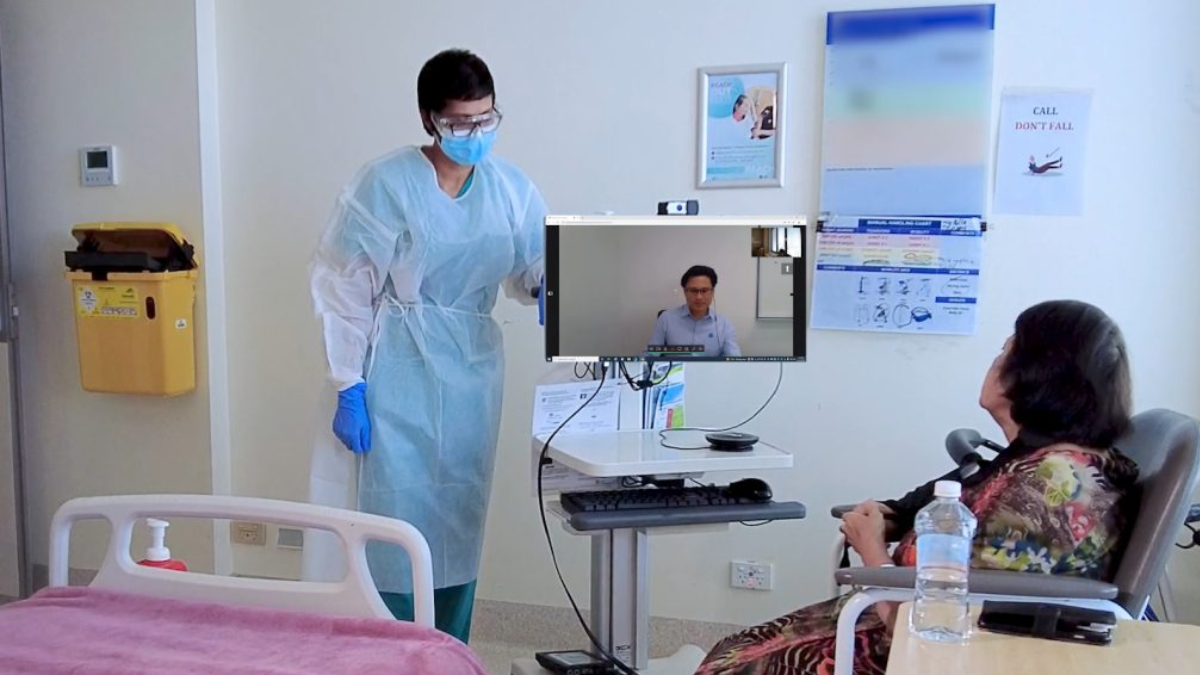

When it comes to specialized medical treatments—such as cardiac surgery, cancer therapy, organ transplants, or neurological procedures—choosing the right hospital is crucial. The quality of care, expertise of the medical team, available facilities, and patient support services all play a significant role in recovery and treatment success. This guide explores key factors to consider when selecting a hospital for specialized treatments.
1. Assess the Hospital’s Specialization and Expertise
- Check Specialization: Ensure the hospital has a dedicated department for your specific condition or treatment. For example, cardiac centers for heart surgeries or oncology departments for cancer treatment.
- Qualified Medical Staff: Research the credentials, experience, and specialization of doctors and surgeons. Specialists with a high volume of relevant procedures tend to deliver better outcomes.
- Centers of Excellence: Look for hospitals recognized as centers of excellence in your treatment area. These hospitals follow strict protocols and often participate in advanced research.
2. Evaluate Treatment Options and Technology
- Advanced Equipment: Specialized treatments often require state-of-the-art diagnostic and treatment equipment, such as robotic surgical systems, MRI/CT scanners, or radiation therapy machines.
- Innovative Techniques: Hospitals adopting modern techniques—like minimally invasive surgery, targeted therapies, or personalized medicine—can improve outcomes and reduce recovery time.
- Availability of Clinical Trials: Participation in clinical trials indicates the hospital is on the forefront of medical research, providing access to new treatments.
3. Review Hospital Accreditation and Certifications
- Accreditation: Look for hospitals accredited by national or international bodies, such as NABH (National Accreditation Board for Hospitals) or JCI (Joint Commission International). Accreditation ensures the hospital meets high standards of quality and patient safety.
- Specialty Certifications: Some departments may have additional certifications reflecting excellence in a specific area, like oncology, cardiology, or orthopedics.
4. Consider Hospital Reputation and Patient Outcomes
- Patient Reviews and Testimonials: Online reviews and patient feedback can provide insights into the quality of care, staff behavior, and overall experience.
- Success Rates: Check the hospital’s track record for the specific procedure or treatment you require. Hospitals often publish success rates for surgeries or specialized therapies.
- Referrals from Doctors: Seek recommendations from your primary care physician or other medical specialists who are familiar with reputable hospitals.
5. Evaluate Facilities and Patient Support Services
- Intensive Care and Emergency Support: Specialized treatments often require ICU support, emergency care, and access to multiple specialties.
- Accommodation and Comfort: Comfortable patient rooms, family support facilities, and amenities can improve the overall hospital experience.
- Rehabilitation Services: Access to physiotherapy, counseling, and post-treatment support is essential for full recovery.
6. Check Insurance and Cost Considerations
- Insurance Network: Ensure the hospital is covered under your health insurance policy to minimize out-of-pocket expenses.
- Transparent Billing: Hospitals should provide clear cost estimates for specialized treatments, including surgeries, tests, and post-operative care.
- Financial Assistance Programs: Some hospitals offer installment plans, charity support, or government aid programs.
7. Accessibility and Location
- Proximity: A hospital closer to home or work can be important for frequent visits, follow-ups, and emergencies.
- Transport and Accommodation: Availability of easy transport, nearby lodging, and patient-friendly navigation within the hospital can reduce stress during treatment.
8. Communication and Doctor-Patient Interaction
- Clear Communication: Choose hospitals where doctors explain treatment plans, risks, and alternatives in a clear and understandable manner.
- Patient-Centered Care: Hospitals focusing on patient engagement, counseling, and emotional support contribute to better treatment experiences.
- Multidisciplinary Approach: Collaborative care among specialists ensures comprehensive treatment, especially for complex conditions.
9. Research Hospital Policies and Safety Standards
- Infection Control: Strict hygiene, sterilization, and infection prevention protocols are essential.
- Patient Safety Measures: Check for protocols like surgical checklists, error prevention, and medication safety systems.
- Emergency Preparedness: Hospitals should have well-defined plans for medical emergencies, natural disasters, or sudden complications.
Conclusion
Choosing the right hospital for specialized treatments is a critical decision that directly impacts treatment success and patient well-being. By considering factors such as specialization, medical expertise, technology, accreditation, patient outcomes, facilities, insurance, accessibility, communication, and safety protocols, patients and families can make informed choices. Thorough research, consultations with medical professionals, and personal priorities will help select a hospital that ensures the best possible care and support.
FAQs
Q: How do I find the best hospital for my specific treatment?
A: Research hospitals with specialized departments, check doctor credentials, review patient outcomes, and seek referrals from trusted medical professionals.
Q: Are accredited hospitals better?
A: Yes, accreditation ensures the hospital follows high standards for patient care, safety, and quality management.
Q: Should I prioritize cost or quality?
A: Quality of care should take precedence, as specialized treatments often require advanced expertise and equipment. Cost can be managed through insurance or financial aid programs.
Q: How important is technology in specialized treatments?
A: Advanced medical technology can significantly improve treatment outcomes, reduce recovery times, and enable minimally invasive procedures.
Q: Can patient comfort affect recovery?
A: Yes, comfortable accommodations, emotional support, and patient-centered care contribute positively to recovery and overall experience.