
Admin

Mental Health Services In Hospitals: Importance And Access

Mental Health Services In Hospitals: Importance And Access

Mental health is an integral part of overall well-being, influencing how individuals think, feel, and act in daily life. Hospitals play a crucial role in providing mental health services, offering both acute and long-term care for individuals experiencing psychological, emotional, or behavioral challenges. Access to quality mental health care can significantly improve outcomes, reduce the…


Read More
Hospital Hygiene And Sanitation: Best Practices For Patient Safety

Hospital Hygiene And Sanitation: Best Practices For Patient Safety

Hospital hygiene and sanitation are fundamental aspects of healthcare that ensure patient safety, prevent infections, and promote overall well-being. Maintaining a clean and sterile environment in hospitals is critical due to the high risk of healthcare-associated infections (HAIs) that can compromise patient outcomes. Hospitals must adopt rigorous hygiene and sanitation protocols, including hand hygiene, sterilization…

Read More
Womens Health Services In Hospitals: What You Need To Know

Womens Health Services In Hospitals: What You Need To Know

Women’s health is a vital component of comprehensive healthcare, addressing the unique medical needs of women at every stage of life. Hospitals offer a wide range of specialized services for women, from preventive care and routine screenings to treatment for chronic conditions, reproductive health, and emergency services. Understanding the scope of women’s health services in…

Read More
Telemedicine in Hospitals

Telemedicine in Hospitals: The Future of Remote Healthcare

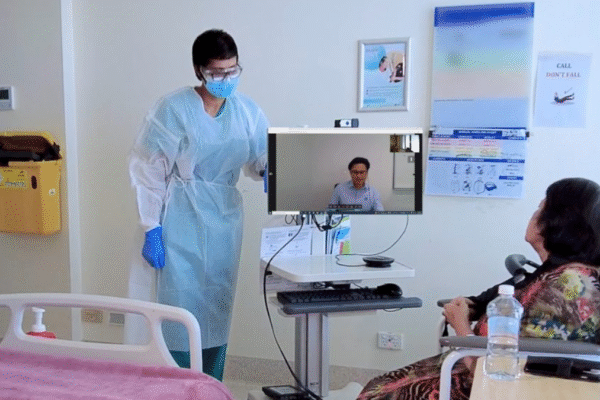
The healthcare industry is undergoing a digital revolution, with telemedicine emerging as a key tool for improving access, efficiency, and quality of care. Hospitals worldwide are increasingly adopting telemedicine to provide remote consultations, diagnostics, and monitoring, bridging the gap between patients and healthcare providers. What is Telemedicine? Telemedicine refers to the use of technology—such as…

Read More
Emergency Room Protocols: What You Need To Know

Emergency Room Protocols: What You Need To Know

The emergency room (ER) is the front line of healthcare, providing immediate care to patients facing life-threatening conditions or sudden illnesses. For many, visiting the ER can be stressful and confusing, especially if they are unfamiliar with how emergency care operates. Understanding emergency room protocols can help patients navigate the system effectively, ensure timely treatment,…

Read More
Role of Rehabilitation Centers

The Role of Rehabilitation Centers in Hospitals

Rehabilitation centers within hospitals play a crucial role in restoring patients’ physical, mental, and emotional well-being after illness, injury, or surgery. By offering specialized care, therapies, and support, these centers help patients regain independence, improve quality of life, and reduce the risk of long-term disability. What Are Rehabilitation Centers in Hospitals? Rehabilitation centers are specialized…

Read More
Mental Health Services

Mental Health Services in Hospitals: What You Need to Know

Mental health is as important as physical health, yet it is often overlooked. Hospitals play a critical role in diagnosing, treating, and supporting individuals with mental health conditions. From emergency interventions to long-term therapy, hospital-based mental health services provide comprehensive care for patients dealing with anxiety, depression, bipolar disorder, schizophrenia, and other psychiatric conditions. Understanding…

Read More
Pediatric Hospitals: Caring For The Youngest Patients

Pediatric Hospitals: Caring For The Youngest Patients

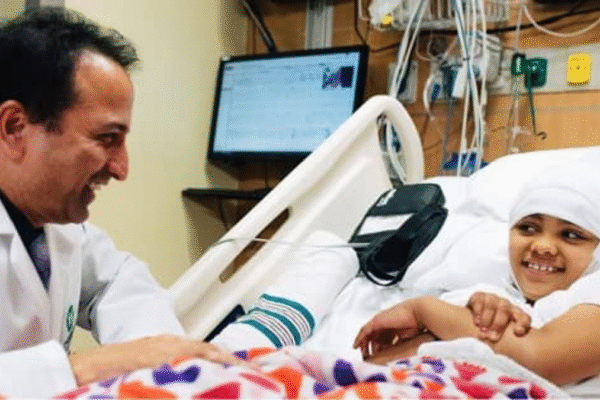
Pediatric hospitals play a critical role in providing specialized care to infants, children, and adolescents. Unlike general hospitals, pediatric hospitals focus on the unique medical, emotional, and developmental needs of young patients. With a combination of advanced medical technology, child-friendly environments, and highly trained specialists, pediatric hospitals ensure that children receive comprehensive care in a…

Read More
Choose the Right Hospital

How to Choose the Right Hospital for Specialized Treatments

When it comes to specialized medical treatments—such as cardiac surgery, cancer therapy, organ transplants, or neurological procedures—choosing the right hospital is crucial. The quality of care, expertise of the medical team, available facilities, and patient support services all play a significant role in recovery and treatment success. This guide explores key factors to consider when…

Read More