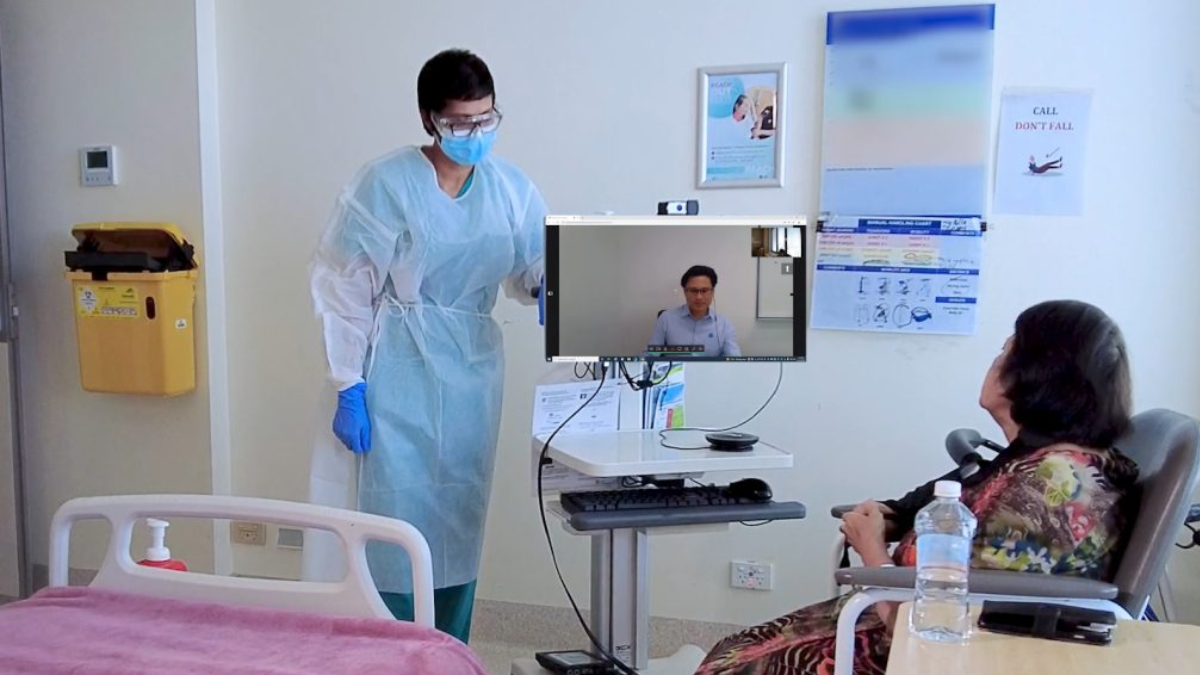

Mental health is as important as physical health, yet it is often overlooked. Hospitals play a critical role in diagnosing, treating, and supporting individuals with mental health conditions. From emergency interventions to long-term therapy, hospital-based mental health services provide comprehensive care for patients dealing with anxiety, depression, bipolar disorder, schizophrenia, and other psychiatric conditions. Understanding these services can help patients and families access timely and effective care.
Types of Mental Health Services in Hospitals
1. Inpatient Psychiatric Care
Inpatient psychiatric units provide intensive treatment for individuals experiencing severe mental health crises. Services include:
- 24/7 monitoring by trained psychiatric staff
- Medication management
- Individual and group therapy sessions
- Crisis intervention for patients at risk of self-harm or suicide
2. Outpatient Mental Health Services
Outpatient services allow patients to receive care while living at home. These include:
- Therapy sessions with psychologists or psychiatrists
- Medication management and follow-ups
- Counseling for stress, anxiety, or family support
- Community-based programs for ongoing support
3. Emergency Psychiatric Services
Hospitals are equipped to handle mental health emergencies, such as:
- Suicide attempts or threats
- Severe panic attacks or psychotic episodes
- Aggressive behavior due to mental illness
- Substance abuse crises
Emergency psychiatric teams assess risk, stabilize patients, and determine whether inpatient admission or outpatient follow-up is needed.
4. Specialized Programs and Units
Many hospitals offer specialized programs tailored to specific populations or conditions, including:
- Child and adolescent mental health units
- Geriatric psychiatry programs
- Addiction treatment centers
- Trauma-focused therapy programs
Key Components of Hospital-Based Mental Health Care
1. Multidisciplinary Teams
Mental health care in hospitals involves collaboration among:
- Psychiatrists – Diagnose and prescribe medications
- Psychologists – Provide therapy and counseling
- Psychiatric nurses – Monitor patient health and administer treatments
- Social workers – Assist with discharge planning and community resources
- Occupational therapists – Help patients regain daily functioning
2. Therapy and Counseling
- Individual Therapy: One-on-one sessions addressing personal mental health issues
- Group Therapy: Support groups for shared experiences and coping strategies
- Family Therapy: Helps families understand conditions and improve communication
3. Medication Management
Hospitals provide supervision for psychiatric medications, ensuring:
- Correct dosage and adherence
- Monitoring side effects
- Adjusting prescriptions based on patient response
4. Crisis Intervention
Hospital mental health teams intervene during crises to:
- Stabilize patients in acute distress
- Reduce immediate risks to the patient or others
- Connect patients with ongoing outpatient care
Benefits of Hospital-Based Mental Health Services
- Immediate Access to Care: Hospitals provide 24/7 emergency support for acute mental health issues.
- Comprehensive Treatment: Multidisciplinary teams offer holistic care addressing medical, psychological, and social needs.
- Safety and Monitoring: Inpatient units ensure close supervision for patients at risk of self-harm.
- Access to Specialized Programs: Hospitals often have programs tailored to specific disorders or age groups.
- Integration with Physical Health Services: Hospitals can manage co-occurring medical conditions alongside mental health treatment.
Challenges and Consideration
- Stigma: Some patients hesitate to seek help due to societal stigma around mental health.
- Limited Resources: Psychiatric beds and specialized staff may be limited in some hospitals.
- Cost: Mental health services can be expensive, though insurance and government programs may help.
- Follow-Up Care: Continuity of care post-discharge is critical to prevent relapses.
- Awareness: Patients and families may need guidance to navigate hospital mental health services.
Tips for Patients and Families
- Know Your Rights: Patients have the right to privacy, informed consent, and respectful treatment.
- Ask About Services: Inquire about available therapy programs, support groups, and follow-up care.
- Communicate Clearly: Share medical history, medications, and symptoms with the care team.
- Seek Early Intervention: Early treatment can prevent worsening of symptoms and improve outcomes.
- Plan for Aftercare: Ensure a plan is in place for outpatient therapy, medications, and community support.
Conclusion
Hospital-based mental health services are vital for individuals experiencing psychological crises or requiring specialized care. From inpatient units and outpatient clinics to emergency psychiatric services and specialized programs, hospitals provide comprehensive support. Early intervention, access to professional care, and continuity of treatment are key factors in achieving positive outcomes. By understanding these services, patients and families can make informed decisions and seek the help they need.
FAQs
Q: Can anyone access mental health services in hospitals?
A: Yes, hospitals provide services for patients of all ages with various mental health needs, including emergencies.
Q: What is the difference between inpatient and outpatient mental health care?
A: Inpatient care involves 24/7 monitoring in the hospital, while outpatient care allows patients to live at home while receiving therapy and medical supervision.
Q: Are mental health services covered by insurance?
A: Many insurance plans cover psychiatric care, though coverage varies by provider and treatment type.
Q: How do hospitals handle psychiatric emergencies?
A: Emergency psychiatric teams assess risks, stabilize patients, and provide immediate treatment or admission if needed.
Q: Can family members be involved in treatment?
A: Yes, family therapy and support programs are often part of hospital mental health services.