Rehabilitation centers within hospitals play a crucial role in restoring patients’ physical, mental, and emotional well-being after illness, injury, or surgery. By offering specialized care, therapies, and support, these centers help patients regain independence, improve quality of life, and reduce the risk of long-term disability.
What Are Rehabilitation Centers in Hospitals?
Rehabilitation centers are specialized units or departments in hospitals that focus on helping patients recover functional abilities lost due to medical conditions, accidents, or surgeries. They provide a comprehensive approach that combines medical treatment, therapy, counseling, and patient education to achieve optimal recovery.
Types of Rehabilitation Services
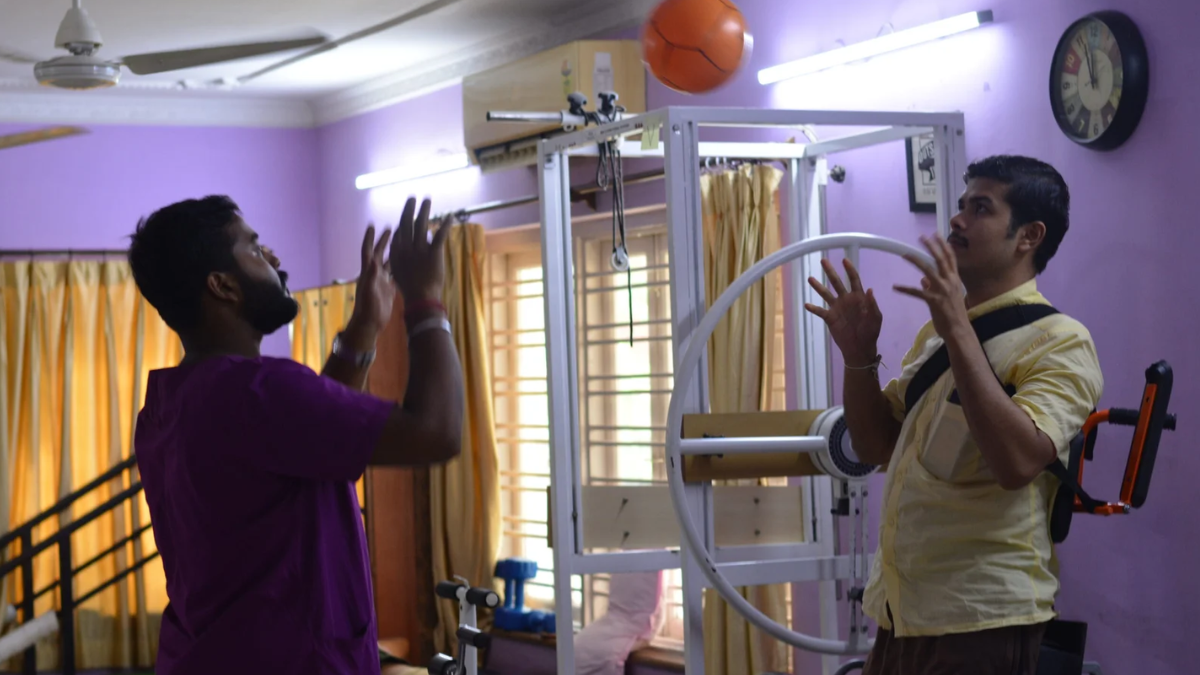
- Physical Rehabilitation
Focuses on restoring mobility, strength, and endurance after injuries, surgeries, or chronic conditions such as stroke or arthritis. - Occupational Rehabilitation
Helps patients regain the ability to perform daily activities, return to work, and maintain independence. - Speech and Language Therapy
Supports patients with communication difficulties due to stroke, neurological disorders, or surgery affecting speech. - Cardiac and Pulmonary Rehabilitation
Provides structured exercise, education, and counseling for patients recovering from heart disease, lung conditions, or surgery. - Neurological Rehabilitation
Assists patients recovering from brain injuries, spinal cord injuries, or neurological disorders such as Parkinson’s disease. - Substance Abuse and Mental Health Rehabilitation
Focuses on counseling, behavioral therapy, and support for patients with addiction or mental health challenges.
Importance of Rehabilitation Centers in Hospitals
Enhancing Patient Recovery
Rehabilitation centers provide targeted therapies and medical interventions that accelerate recovery, reduce complications, and improve overall health outcomes.
Promoting Independence
By teaching patients how to perform daily activities and self-care, rehabilitation centers help patients regain autonomy and confidence in their abilities.
Reducing Hospital Readmissions
Effective rehabilitation lowers the likelihood of complications or relapse, which decreases hospital readmissions and associated healthcare costs.
Supporting Emotional and Mental Well-being
Rehabilitation programs often include psychological support and counseling to help patients cope with trauma, chronic illness, or life-changing injuries.
Facilitating Multidisciplinary Care
Rehabilitation centers integrate care from physiotherapists, occupational therapists, speech therapists, psychologists, and physicians, ensuring a holistic approach tailored to each patient.
Challenges Faced by Rehabilitation Centers
- Resource Limitations: Shortage of specialized staff or equipment can affect patient care.
- Patient Compliance: Recovery depends on patients following therapy plans diligently.
- Insurance and Financial Barriers: Rehabilitation can be expensive, and not all treatments are covered by insurance.
- Awareness Issues: Some patients and families may not fully understand the benefits of rehabilitation services.
Hospitals address these challenges by investing in staff training, patient education, and technology-enabled therapies.
Future of Rehabilitation in Hospitals
Technology-Driven Rehabilitation
- Robotics and Exoskeletons: Assist in physical therapy and mobility training.
- Virtual Reality Therapy: Offers immersive rehabilitation for motor skills and cognitive recovery.
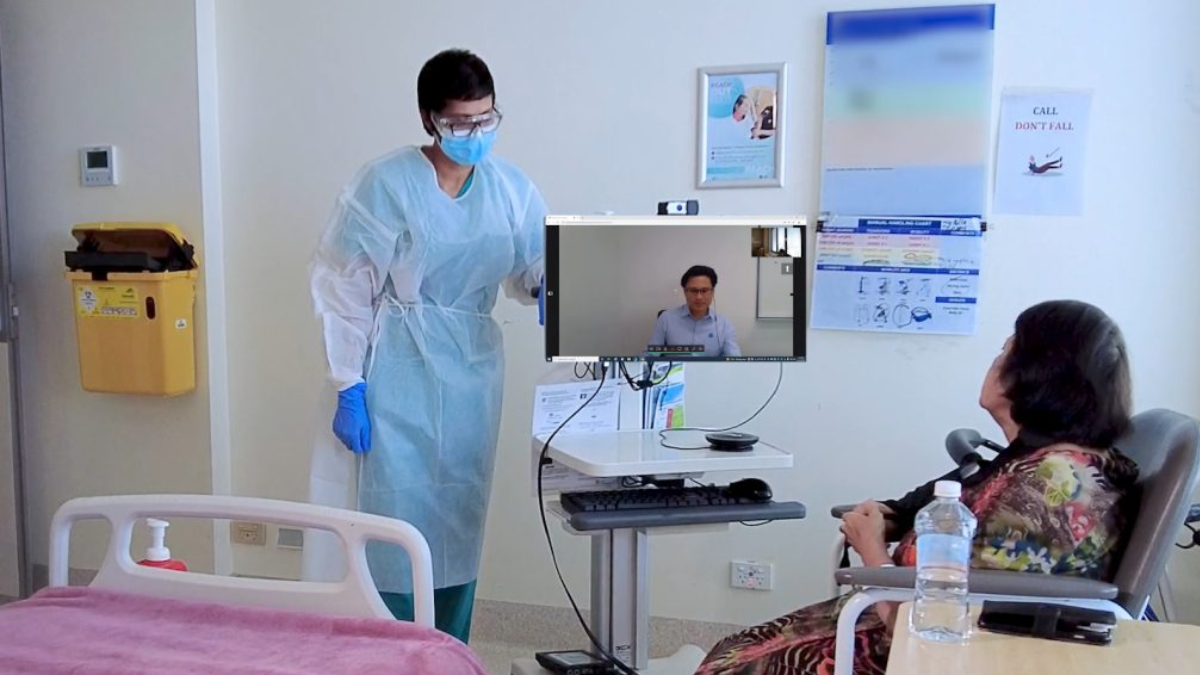
- Tele-rehabilitation: Enables remote therapy sessions for patients unable to visit hospitals regularly.
Personalized Rehabilitation Plans
Advanced analytics and patient data allow rehabilitation centers to create customized care plans tailored to individual recovery needs.
Integration with Preventive Care
Rehabilitation centers increasingly focus on preventive care, including exercise programs and lifestyle interventions to reduce the risk of future health issues.
Conclusion
Rehabilitation centers are essential components of modern hospitals, ensuring patients receive comprehensive care beyond medical treatment. By facilitating physical, emotional, and cognitive recovery, these centers enhance patient outcomes, promote independence, and improve quality of life. Investing in robust rehabilitation services not only benefits patients but also strengthens the overall healthcare system by reducing complications and readmissions.
FAQs
1. Who can benefit from hospital rehabilitation centers?
Patients recovering from surgery, injuries, chronic illnesses, neurological conditions, or mental health challenges can benefit.
2. How long do rehabilitation programs last?
Program duration varies depending on the patient’s condition, severity, and recovery goals, ranging from a few weeks to several months.
3. Are rehabilitation services covered by insurance?
Many insurance plans cover rehabilitation, but coverage varies. Patients should check with their providers for details.
4. Can children access hospital rehabilitation centers?
Yes, many hospitals offer pediatric rehabilitation services for children recovering from injuries, surgeries, or developmental conditions.
5. Is home-based rehabilitation effective?
Home-based rehabilitation can be effective, especially when guided by professionals through tele-rehabilitation or periodic hospital visits.