
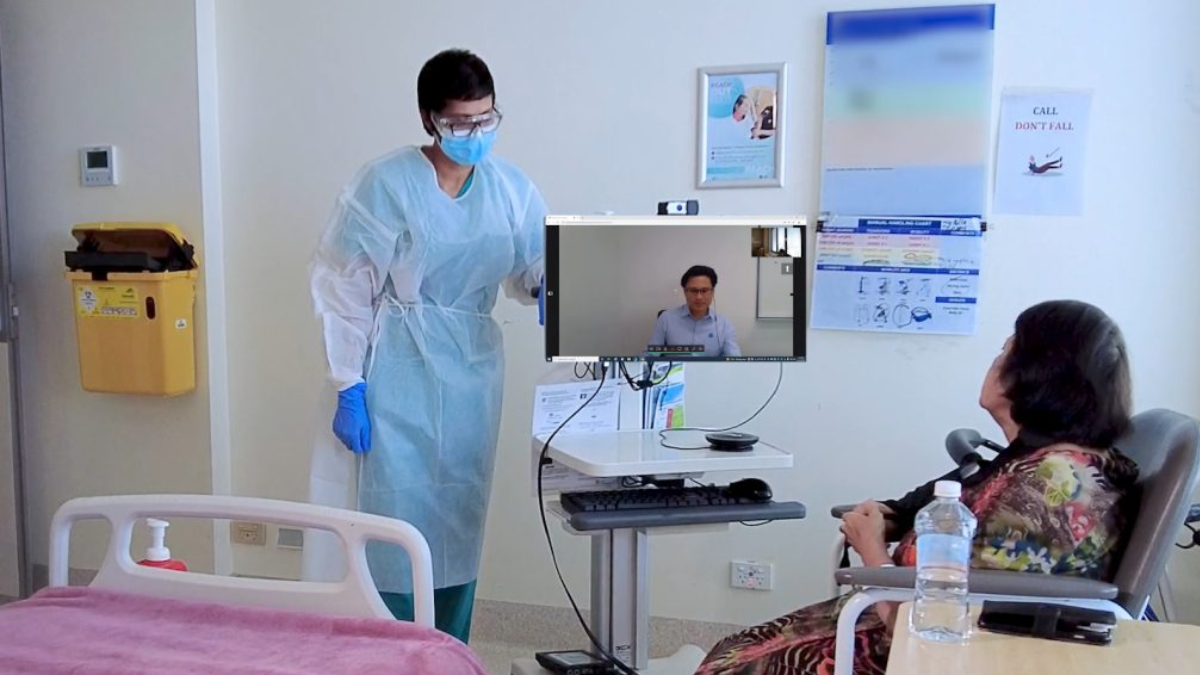
The healthcare industry is undergoing a digital revolution, with telemedicine emerging as a key tool for improving access, efficiency, and quality of care. Hospitals worldwide are increasingly adopting telemedicine to provide remote consultations, diagnostics, and monitoring, bridging the gap between patients and healthcare providers.
What is Telemedicine?
Telemedicine refers to the use of technology—such as video conferencing, mobile apps, and digital monitoring tools—to deliver medical care remotely. It enables patients to consult doctors, receive prescriptions, and monitor their health without physically visiting a hospital, making healthcare more accessible and convenient.
Types of Telemedicine Services
- Teleconsultation
Remote doctor-patient consultations using video calls, phone calls, or chat platforms. - Telemonitoring
Continuous remote monitoring of patients’ vital signs, chronic conditions, or post-surgery recovery using wearable devices or home-based equipment. - Tele-education
Training and education for healthcare professionals and patient awareness programs delivered digitally. - Tele-surgery Support
Surgeons providing guidance or assistance remotely during procedures using advanced robotics and imaging technologies. - Tele-psychiatry and Mental Health Services
Online counseling and therapy sessions to support patients’ mental well-being.
Benefits of Telemedicine in Hospitals
Increased Accessibility
Telemedicine allows patients in remote or underserved areas to access specialized care without traveling long distances. It reduces geographic and transportation barriers significantly.
Cost-Effective Healthcare
Remote consultations reduce travel costs, hospital admission expenses, and unnecessary diagnostic tests, making healthcare more affordable for patients and hospitals.
Enhanced Patient Convenience
Patients can schedule appointments, receive follow-ups, and consult specialists from the comfort of their homes, improving adherence to treatment plans.
Reduced Hospital Congestion
By offering remote care for non-emergency cases, telemedicine reduces patient overcrowding in hospitals, freeing up resources for critical care.
Continuous Monitoring and Early Intervention
Chronic disease patients, such as those with diabetes or heart conditions, can be monitored remotely. Early detection of complications leads to timely interventions and better outcomes.
Integration with Electronic Health Records (EHR)
Telemedicine systems often integrate with hospital EHRs, allowing doctors to access patient history, lab results, and previous consultations for informed decision-making.
Challenges of Telemedicine in Hospitals
- Technical Barriers: Internet connectivity issues and lack of digital literacy can limit access.
- Data Privacy and Security: Protecting sensitive patient information from cyber threats is critical.
- Regulatory and Legal Issues: Licensing, malpractice liability, and cross-border regulations can complicate telemedicine practice.
- Limitations in Physical Examination: Certain conditions may require in-person assessment for accurate diagnosis.
Hospitals overcome these challenges by investing in secure platforms, staff training, and hybrid care models that combine in-person and remote services.
Future Trends in Telemedicine
AI and Machine Learning
Artificial intelligence can assist in diagnostics, predictive analytics, and personalized treatment recommendations, enhancing telemedicine effectiveness.
Wearable Health Devices
Advanced wearables can track vital signs, glucose levels, and heart conditions, sending real-time data to doctors for monitoring and intervention.
Virtual Reality (VR) and Augmented Reality (AR)
VR and AR technologies can facilitate remote surgery guidance, medical training, and patient rehabilitation programs.
Global Telemedicine Networks
Hospitals may collaborate internationally to provide specialist consultations, second opinions, and emergency guidance for complex cases.
Telepharmacy
Remote prescription management, medication counseling, and delivery services ensure patients receive timely medications without visiting the hospital.
Conclusion
Telemedicine is transforming the way hospitals deliver care, making healthcare more accessible, efficient, and patient-centric. By integrating remote consultations, monitoring, and digital tools, hospitals can improve patient outcomes, reduce costs, and address the challenges of modern healthcare delivery. Telemedicine is not just a trend—it represents the future of healthcare.
FAQs
1. Is telemedicine safe for patients?
Yes, telemedicine is generally safe when conducted through secure platforms with trained healthcare professionals.
2. Can telemedicine replace in-person hospital visits?
Telemedicine complements in-person care but cannot replace it entirely, especially for emergencies or procedures requiring physical examination.
3. Do insurance providers cover telemedicine consultations?
Many insurance providers now cover telemedicine services, but coverage may vary depending on the plan.
4. How can patients access telemedicine services in hospitals?
Hospitals provide telemedicine through dedicated apps, websites, or integrated hospital portals.
5. Are telemedicine services available 24/7?
Some hospitals offer round-the-clock telemedicine, while others provide scheduled consultations depending on specialist availability.