Pediatric hospitals play a critical role in providing specialized care to infants, children, and adolescents. Unlike general hospitals, pediatric hospitals focus on the unique medical, emotional, and developmental needs of young patients. With a combination of advanced medical technology, child-friendly environments, and highly trained specialists, pediatric hospitals ensure that children receive comprehensive care in a safe and supportive setting. As healthcare continues to evolve, pediatric hospitals are adopting innovative treatments, personalized care plans, and family-centered approaches to improve outcomes for their youngest patients.
What Are Pediatric Hospitals?
Pediatric hospitals are medical facilities that specialize in treating patients from birth through adolescence. These hospitals are equipped to handle everything from routine pediatric care to complex surgeries and chronic illnesses. Pediatric hospitals differ from general hospitals in their focus on child-specific anatomy, diseases, and psychological needs. They also provide an environment designed to reduce stress and anxiety for both children and their families.
Key Features of Pediatric Hospitals
- Specialized Medical Staff: Pediatricians, pediatric surgeons, pediatric nurses, and child life specialists trained to care for children.
- Child-Friendly Environment: Bright, colorful rooms, play areas, and interactive technologies to make hospital visits less intimidating.
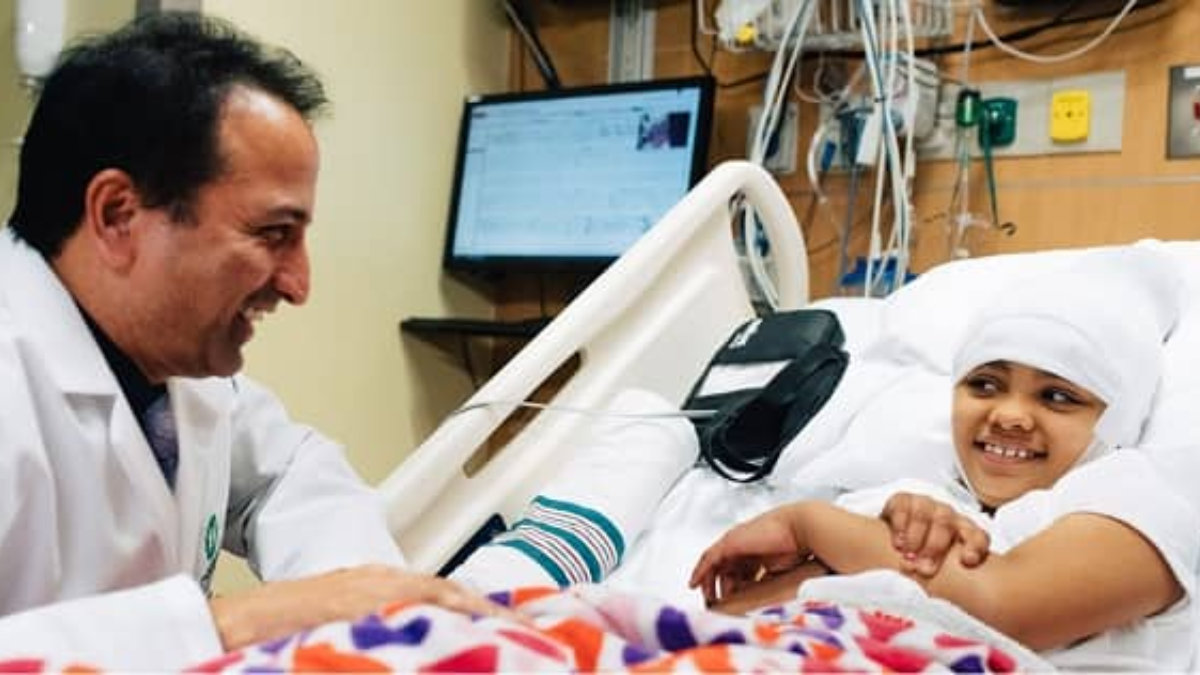
- Family-Centered Care: Involving parents and caregivers in treatment plans and decision-making.
- Advanced Technology: Pediatric-specific medical equipment, diagnostic tools, and minimally invasive surgical instruments.
- Holistic Support Services: Nutritional counseling, psychological support, and educational programs for long-term patients.
Importance of Pediatric Hospitals
Pediatric hospitals are essential because children are not simply “small adults.” They have distinct physiological, psychological, and developmental needs that require specialized care.
Specialized Medical Care
Children experience diseases differently than adults, and their bodies respond differently to medications and treatments. Pediatric hospitals offer age-appropriate interventions, from neonatal intensive care units (NICUs) to adolescent mental health services.
Early Diagnosis and Intervention
Timely diagnosis in pediatric patients can prevent long-term complications. Pediatric hospitals provide screenings, genetic testing, and early intervention programs to identify and address conditions such as congenital disorders, developmental delays, and chronic illnesses.
Support for Families
Hospitalization can be stressful for both children and their families. Pediatric hospitals offer counseling, parent education, and accommodations to help families cope with medical challenges while remaining involved in care decisions.
Common Services Offered in Pediatric Hospitals
Pediatric hospitals provide a wide range of services designed to meet the unique healthcare needs of children.
Neonatal and Infant Care
Neonatal Intensive Care Units (NICUs) provide specialized care for premature infants and newborns with serious health conditions. Services include respiratory support, nutritional management, and advanced monitoring.
Pediatric Surgery
From routine procedures to complex surgeries, pediatric hospitals have surgeons trained in child-specific techniques. Robotic-assisted surgeries, minimally invasive procedures, and post-operative care are tailored to children’s needs.
Pediatric Oncology
Children with cancer require specialized treatment plans, including chemotherapy, radiation, and surgical interventions. Pediatric hospitals provide multidisciplinary oncology teams to deliver comprehensive care.
Pediatric Cardiology
Heart conditions in children, such as congenital heart defects, require specialized diagnosis and treatment. Pediatric cardiologists and cardiac surgeons offer interventions ranging from catheterization to open-heart surgery.
Pediatric Rehabilitation
Children recovering from injuries, surgeries, or chronic illnesses benefit from physical therapy, occupational therapy, and speech therapy, often tailored to developmental stages.
Mental Health Services
Pediatric hospitals provide mental health support for conditions like anxiety, depression, ADHD, and autism spectrum disorders. Psychologists, psychiatrists, and counselors work closely with families to develop treatment plans.
Child-Centered Approach in Pediatric Hospitals
Pediatric hospitals focus on creating an environment that is both therapeutic and comforting for children.
Play Therapy
Playrooms, interactive toys, and structured play sessions help children express emotions, cope with stress, and engage in therapy.
Educational Support
For long-term patients, hospitals often provide in-house schooling or virtual classrooms to ensure children continue their education during hospitalization.
Emotional and Psychological Care
Child life specialists, psychologists, and social workers provide support for emotional well-being, helping children understand their conditions and reduce fear.
Family Engagement
Parents are encouraged to participate in rounds, care planning, and bedside procedures, fostering a sense of control and involvement in the child’s recovery.
Technology in Pediatric Hospitals
Technology plays a critical role in modern pediatric healthcare, improving diagnostics, treatment, and patient experience.
Telemedicine
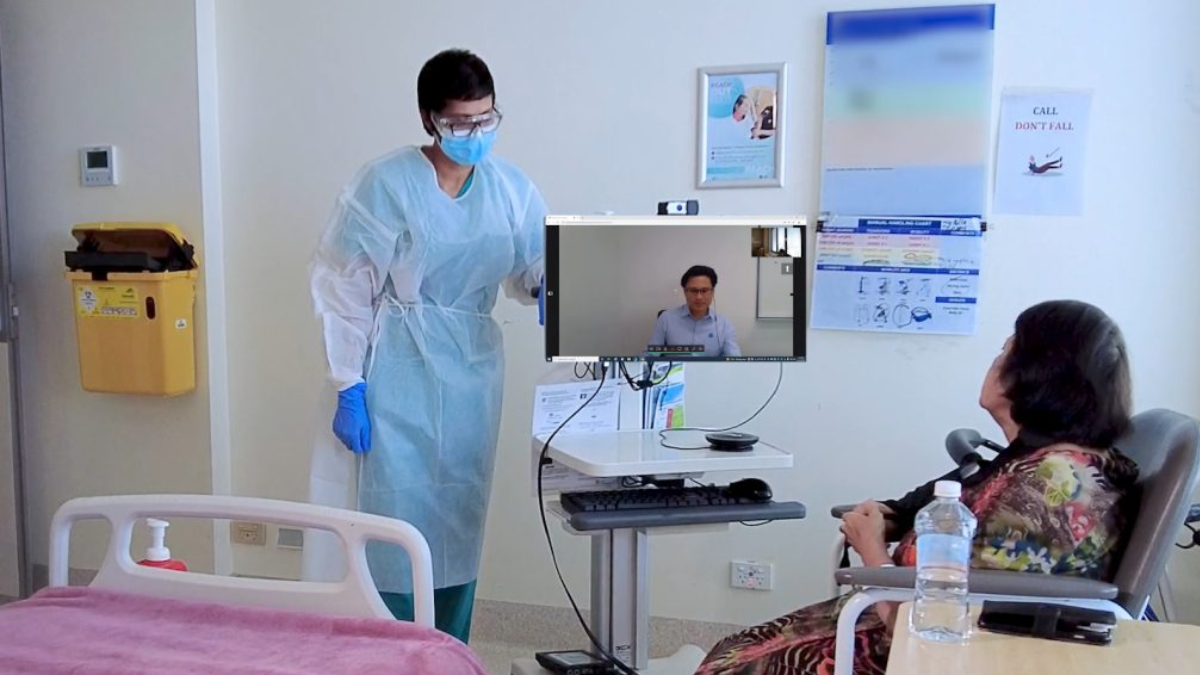
Telehealth consultations allow families to access pediatric specialists remotely, reducing travel burdens and improving follow-up care.
AI and Predictive Analytics
Artificial intelligence helps predict patient risks, monitor vitals, and suggest personalized treatment plans, enabling proactive care.
Pediatric-Specific Equipment
From infant incubators to child-sized imaging machines, pediatric hospitals utilize equipment designed for accurate and safe treatment.
Robotics in Surgery
Robotic-assisted surgery in pediatric hospitals ensures precision, minimizes invasiveness, and reduces recovery times for children.
Challenges Faced by Pediatric Hospitals
While pediatric hospitals provide essential care, they face unique challenges.
High Operational Costs
Specialized equipment, child-friendly facilities, and multidisciplinary teams increase operational costs, often requiring additional funding and support.
Shortage of Pediatric Specialists
A limited number of trained pediatricians, surgeons, and nurses can affect access to specialized care, especially in rural areas.
Emotional Stress
Caring for sick children can be emotionally challenging for staff and families, necessitating support programs and counseling.
Managing Chronic Illnesses
Children with chronic conditions require long-term care plans, frequent hospital visits, and coordinated management, which can strain resources.
The Future of Pediatric Hospitals
Pediatric hospitals are evolving to meet growing healthcare demands and incorporate technological advancements.
Personalized Medicine
Genomic testing and precision medicine will allow pediatric hospitals to provide tailored treatments for genetic disorders and chronic illnesses.
Integrated Care Networks
Collaboration between hospitals, primary care providers, and specialty clinics will ensure continuity of care and better outcomes for pediatric patients.
Smart Hospital Systems
Automation, AI, and digital records will improve operational efficiency, reduce errors, and enhance patient experiences in pediatric settings.
Focus on Mental Health
Increasing attention to pediatric mental health will lead to more comprehensive support programs and integrated care for emotional well-being.
Global Access to Pediatric Care
Telemedicine and mobile health initiatives will expand access to pediatric specialists worldwide, especially in underserved regions.
Conclusion
Pediatric hospitals are vital institutions that cater to the specialized needs of children, offering advanced medical care, emotional support, and family-centered services. By combining child-specific expertise with innovative technologies, pediatric hospitals ensure that the youngest patients receive comprehensive and compassionate care. The integration of AI, telemedicine, and personalized treatment approaches promises a future where pediatric healthcare is more effective, accessible, and supportive. Families who understand the role and services of pediatric hospitals are better equipped to advocate for their children and ensure optimal health outcomes.
FAQs
1. What makes pediatric hospitals different from general hospitals?
Pediatric hospitals specialize in the unique medical, emotional, and developmental needs of children, offering child-friendly facilities, specialized staff, and age-appropriate treatments.
2. At what age can children be treated in pediatric hospitals?
Pediatric hospitals generally care for patients from birth through adolescence, usually up to 18 years old, though some services may extend to young adults.
3. What services are commonly offered in pediatric hospitals?
Services include neonatal care, pediatric surgery, oncology, cardiology, rehabilitation, mental health support, and family-centered programs.
4. How do pediatric hospitals support families?
Pediatric hospitals provide counseling, educational resources, accommodation, and opportunities for parents to participate in care planning and treatment decisions.
5. How is technology used in pediatric hospitals?
Technology such as telemedicine, AI, robotic surgery, and pediatric-specific equipment improves diagnostics, treatment precision, patient monitoring, and overall healthcare efficiency.