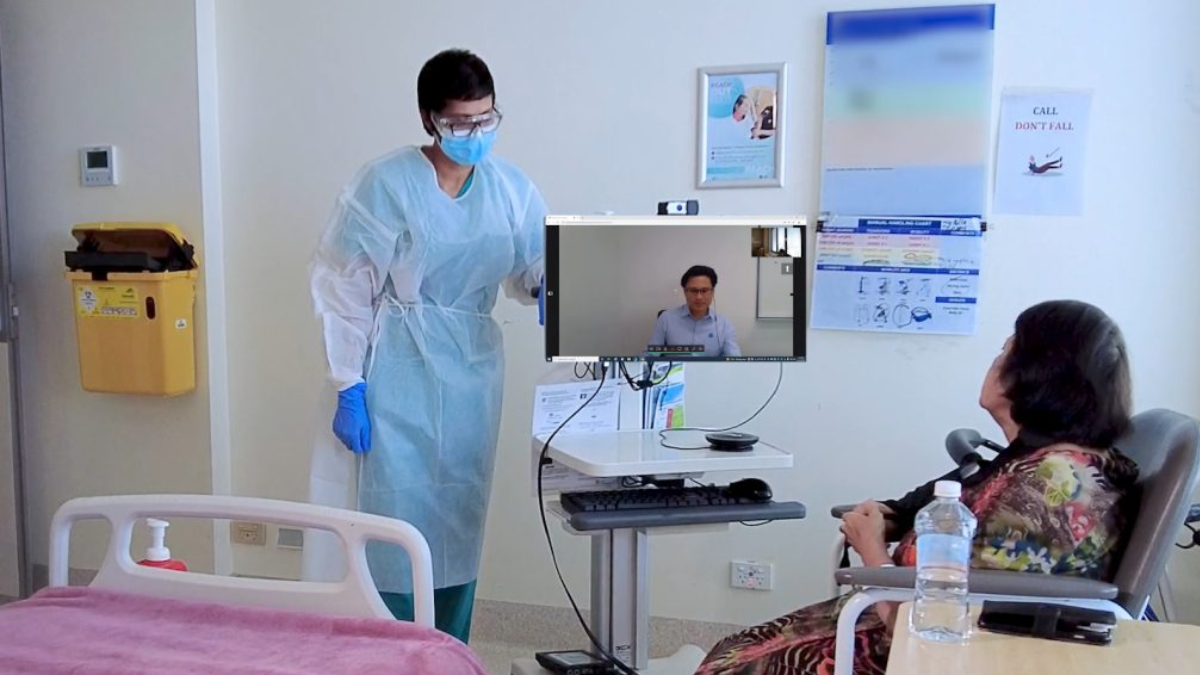

The healthcare industry is undergoing a profound transformation, driven by technological advancements that promise more efficient, personalized, and cost-effective patient care. Among these innovations, smart hospitals equipped with artificial intelligence (AI) and automation technologies are at the forefront. Smart hospitals leverage data-driven decision-making, robotics, AI-powered diagnostics, and automated administrative systems to enhance operational efficiency, improve patient outcomes, and reduce human error. As the global population grows and medical demands become increasingly complex, the future of healthcare is undoubtedly intertwined with smart technology.
What Are Smart Hospitals?
Smart hospitals are healthcare facilities that integrate advanced technology and digital solutions into every aspect of patient care and hospital management. Unlike traditional hospitals, which rely heavily on manual processes and paper-based records, smart hospitals employ interconnected devices, AI systems, and automated workflows to deliver precise, timely, and patient-centered care.
Key Features of Smart Hospitals
- AI-Powered Diagnostics: Artificial intelligence can analyze medical images, lab results, and patient histories to support faster and more accurate diagnoses.
- Robotics and Automation: Robotic surgical systems, automated medication dispensers, and autonomous cleaning systems enhance precision and reduce the risk of infection.
- Connected Devices: Internet of Things (IoT) devices monitor patient vitals in real-time, alerting healthcare providers to changes instantly.
- Digital Health Records: Electronic Health Records (EHRs) streamline information sharing among healthcare providers, improving care coordination.
- Predictive Analytics: AI algorithms predict patient risks, hospital admission trends, and disease outbreaks, enabling proactive interventions.
The Role of Artificial Intelligence in Healthcare
Artificial intelligence is the backbone of smart hospital systems. AI’s ability to process vast amounts of data, recognize patterns, and make predictions offers unprecedented opportunities in healthcare.
AI in Diagnostics
AI algorithms can detect abnormalities in imaging studies, such as X-rays, MRIs, and CT scans, with remarkable accuracy. For example, AI-powered radiology tools can identify early signs of cancer, heart disease, and neurological disorders, often faster than human clinicians.
AI in Personalized Treatment
Personalized medicine is becoming increasingly possible due to AI’s predictive capabilities. AI systems analyze genetic information, lifestyle factors, and medical history to recommend tailored treatment plans for each patient. This reduces trial-and-error approaches and improves outcomes.
AI in Operational Efficiency
Hospital operations, from scheduling staff to managing supply chains, can be optimized using AI. Predictive analytics can forecast patient inflow, ensuring that resources are allocated efficiently and reducing wait times.
Automation in Hospital Management
Automation is another critical component of smart hospitals. By automating repetitive tasks, hospitals can free up healthcare professionals to focus on patient care.
Robotic Surgery
Robotic-assisted surgeries offer precision beyond human capabilities. Surgeons control robotic instruments to perform minimally invasive procedures, reducing recovery time and minimizing complications.
Automated Pharmacy Systems
Automated medication dispensing systems ensure accurate dosage and timely delivery of drugs to patients. These systems reduce medication errors, improve patient safety, and enhance workflow efficiency.
Smart Patient Monitoring
IoT-enabled devices continuously monitor patients’ vital signs and alert healthcare providers to any abnormalities. Wearable devices track heart rate, blood pressure, glucose levels, and oxygen saturation, providing real-time data for immediate intervention.
Administrative Automation
AI-powered software manages patient admissions, billing, discharge processes, and insurance claims, significantly reducing paperwork and administrative bottlenecks.
Benefits of Smart Hospitals
The integration of AI and automation offers numerous benefits for patients, healthcare providers, and hospital management.
Improved Patient Outcomes
AI-driven diagnostics and personalized treatment plans lead to faster recovery, fewer complications, and better overall health outcomes.
Enhanced Operational Efficiency
Automation reduces the administrative burden on healthcare staff, minimizes human error, and ensures that hospital resources are used effectively.
Cost Reduction
While the initial investment in smart technologies can be significant, the long-term cost savings from reduced errors, improved efficiency, and optimized resource utilization are substantial.
Patient Experience
Smart hospitals enhance patient experience through reduced wait times, real-time updates on treatment progress, and personalized care.
Challenges in Implementing Smart Hospitals
Despite the promise, the adoption of smart hospitals faces several challenges.
High Implementation Costs
The setup of AI-driven systems, robotic equipment, and IoT devices requires substantial capital investment, making it difficult for smaller hospitals to adopt these technologies.
Data Privacy and Security
The vast amount of patient data collected by smart hospitals must be securely stored and protected against cyber threats. Regulatory compliance with laws such as HIPAA is crucial.
Workforce Adaptation
Healthcare professionals need training to work alongside AI systems and automated processes effectively. Resistance to change and lack of technical expertise can hinder implementation.
Interoperability Issues
Integrating multiple technologies and ensuring seamless communication between different systems remains a significant technical challenge.
Future Trends in Smart Hospitals
The evolution of smart hospitals will continue to accelerate as technology advances.
AI-Enhanced Telemedicine
Telemedicine platforms integrated with AI will provide remote diagnostics, virtual consultations, and continuous monitoring, making healthcare more accessible, especially in rural areas.
Predictive Healthcare
AI will increasingly be used to predict disease outbreaks, patient deterioration, and hospital resource needs, allowing proactive healthcare management.
Advanced Robotics
The next generation of surgical and caregiving robots will perform complex procedures autonomously and assist with patient mobility and rehabilitation.
Integration of Blockchain
Blockchain technology will ensure secure, transparent, and tamper-proof patient records, enhancing trust and data integrity in healthcare.
Smart Infrastructure
Future hospitals will leverage smart building technologies, including energy-efficient systems, automated sanitation, and real-time tracking of hospital assets.
Case Studies of Smart Hospitals
Several hospitals around the world are already embracing AI and automation to improve healthcare delivery.
- Mayo Clinic, USA: Uses AI to enhance diagnostics, predict patient outcomes, and optimize operational workflows.
- Singapore General Hospital: Employs robotic surgery systems, automated pharmacy solutions, and AI-driven patient monitoring.
- Apollo Hospitals, India: Integrates AI in diagnostics, telemedicine services, and hospital management, improving accessibility and efficiency.
Conclusion
The future of healthcare is undeniably intertwined with AI and automation. Smart hospitals offer a vision of patient-centered care that is more efficient, precise, and personalized. While challenges such as high costs, data security, and workforce adaptation exist, the potential benefits—improved patient outcomes, operational efficiency, cost savings, and enhanced patient experience—make smart hospitals an inevitable evolution in healthcare. By embracing these technologies, hospitals can redefine the healthcare landscape, making high-quality care more accessible and reliable for everyone.
FAQs
1. What is a smart hospital?
A smart hospital is a healthcare facility that integrates AI, automation, and digital technologies to improve patient care, streamline operations, and enhance efficiency.
2. How does AI improve patient care?
AI improves patient care by enabling faster diagnostics, personalized treatment plans, predictive healthcare, and real-time monitoring of patient vitals.
3. Are smart hospitals expensive to set up?
Yes, the initial investment in AI systems, robotics, and IoT devices can be significant, but long-term benefits often outweigh the costs.
4. What role do robots play in hospitals?
Robots assist in surgeries, medication dispensing, patient monitoring, and rehabilitation, enhancing precision and reducing human error.
5. Will smart hospitals replace doctors and nurses?
No, smart hospitals augment human healthcare professionals, allowing them to focus on critical tasks while AI and automation handle repetitive or data-intensive processes.