
Over the last decade—and especially following the COVID-19 pandemic—hospitals have accelerated the adoption of technology at an unprecedented pace. From artificial intelligence and smart infrastructure to remote monitoring and sustainability, healthcare institutions are embracing digital transformation to improve patient outcomes, optimize operations, and reduce costs. In 2025, this trend shows no signs of slowing down.
Key Technological Trends in Hospitals
1. Artificial Intelligence (AI) & Predictive Analytics
Hospitals are increasingly using AI for diagnostics, risk prediction, and clinical decision support. Machine‑learning models analyze large datasets—such as medical histories, imaging, and labs—to flag potential health issues before they become critical. Predictive analytics helps in discharge planning and readmission forecasting, enabling more proactive patient management. AI-driven electronic health record (EHR) systems are emerging, helping summarize patient histories, assist in report generation, and provide diagnostic suggestions.
2. Remote Patient Monitoring (RPM) and Wearables
RPM devices like smart thermometers, connected oximeters, continuous glucose monitors, and blood pressure cuffs are now being integrated into hospital care so that patients can be monitored outside traditional settings. These devices sync data to cloud dashboards, allowing care teams to observe trends in real time and intervene when anomalies arise. Wearable health tech is becoming central to preventive care, helping physicians make more informed decisions.
3. Telemedicine & Virtual Care
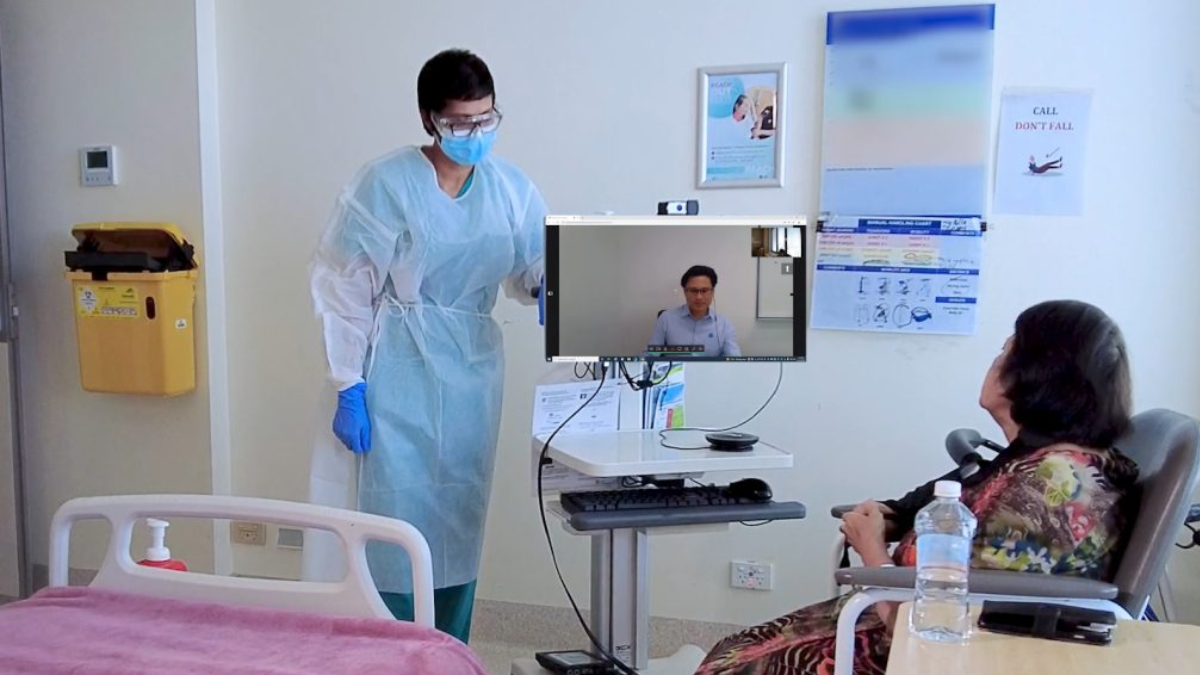
Virtual consultations are now standard practice in many hospitals. Beyond video calls, telehealth platforms integrate with EHR systems to offer seamless virtual care. Telemedicine is especially useful for chronic disease management, mental health care, and follow-ups. Hybrid models are emerging, where patients may be seen virtually for routine check-ins, while complex or in-person needs are handled on-site.
4. Smart Hospitals & Automation
The concept of “smart hospitals” is gaining momentum: hospitals are automating workflows, integrating IoT devices, and using real‑time dashboards to manage operations. Edge computing supports time-sensitive data from IoT devices, ensuring quality-of-service for real-time applications. Automation extends to administrative tasks like scheduling, supply chain management, and documentation.
5. Robotics
Robotic surgery is more precise, minimally invasive, and increasingly common. Hospitals use next-gen robots to assist surgeons, reducing recovery times and improving outcomes. Robotic “nurse” assistants are being developed to handle tasks like check-ups, monitoring, and medication delivery without risking human exposure. Humanoid robots controlled remotely have been tested for medical procedures such as ultrasound-guided injections and emergency interventions.
6. Digital Therapeutics, VR/AR & Training
Hospitals are leveraging digital therapeutics, where software itself is used to treat, manage, or prevent disease alongside conventional care. Virtual Reality (VR) and Augmented Reality (AR) are used for medical training, allowing trainees to simulate surgeries and complex procedures in a risk-free environment. VR is also applied in patient therapy, such as pain management and rehabilitation.
7. Cloud Computing & Data Platforms
Hospitals are migrating systems to the cloud, including EHRs, analytics platforms, telehealth infrastructure, and data lakes. Cloud-native architectures enable modular healthcare apps like patient portals, clinician dashboards, and cross‑department tools. Unified data systems allow real-time insights, predictive modeling, and improved interoperability across departments.
8. Sustainability & Green Healthcare
Hospitals are adopting sustainable practices such as green operating rooms, reusable medical devices, and eco-friendly procurement. Digital technologies optimize resource use, enabling paperless workflows and reducing environmental impact. Some hospitals have transitioned to fully paperless systems, saving millions of pages annually.
Benefits of Technology Adoption in Hospitals
- Improved Patient Outcomes – Predictive analytics and AI enable early detection of complications. Remote monitoring helps manage chronic diseases proactively. Virtual care improves access, especially for rural or underserved patients.
- Operational Efficiency – Automation reduces administrative burden, while smart hospital systems optimize resource allocation. Cloud platforms streamline data access and decision-making.
- Cost Reduction – Preventing avoidable readmissions and complications lowers costs. Digital workflows cut down on paper, storage, and manual processes. Telemedicine reduces unnecessary in-person visits.
- Scalability & Flexibility – Cloud infrastructure allows hospitals to scale services quickly. Robots and remote systems assist during patient surges or staff shortages.
- Sustainability – Reduced paper consumption and smarter resource use lower environmental footprint. Energy-efficient hospitals and green practices contribute to long-term savings.
Challenges & Risks
- Data Privacy & Security – Collecting more patient data increases the risk of breaches. Hospitals must maintain strict compliance and protection measures.
- Interoperability – Integrating legacy systems with new AI, cloud, and IoT platforms is complex.
- Cost of Implementation – High upfront costs for robotics, AI, and infrastructure can be barriers.
- Regulatory and Ethical Concerns – Using AI in diagnosis raises questions of liability and accountability.
- Workforce Adaptation – Staff require training to use new tools effectively.
- Digital Divide – Not all patients have access to wearables or stable internet; remote care may exclude certain populations.
Case Studies & Real-World Examples
- Hospitals are adopting frameworks that focus on scalable infrastructure, seamless patient engagement, strategic data usage, sustainability, and smart AI/automation.
- Some hospitals have transitioned to fully paperless systems, eliminating millions of pages annually and significantly reducing their environmental impact.
- Startups and healthcare institutions are implementing AI voice assistants to help physicians with documentation and administrative tasks.
- Innovation precincts in hospitals are fostering development of cutting-edge devices such as total artificial hearts and other futuristic medical technologies.
The Future: What’s Next?
- Generative AI & Autonomous Agents – AI agents may manage tasks such as triaging patients, scheduling tests, analyzing results, and coordinating follow-ups.
- Virtual Hospitals – Entirely remote hospitals may serve patients from home with comprehensive care.
- Digital Twin Models – Virtual replicas of patients or hospital infrastructure could simulate care pathways and predict outcomes.
- Expanded Use of Robotics – Robot nurses and surgical bots are expected to become more cost-effective and widely deployed.
- Deep Tech Therapeutics – CRISPR, gene therapy, and mRNA technologies may move from research into routine clinical use.
- Sustainable Smart Hospitals – Green buildings, energy-efficient operations, and digital systems will become standard in hospital design.
Conclusion
Technology is now central to the future of healthcare. Through AI, telemedicine, robotics, smart infrastructure, and sustainable practices, hospitals are reshaping care delivery. These innovations promise better outcomes, greater efficiency, and a more resilient healthcare system. Balancing technology adoption with human-centric care will be critical to maximizing benefits while mitigating risks.
FAQs
Q: Are these technologies affordable for smaller hospitals?
A: Many hospitals adopt technologies through phased rollouts or cloud-based solutions to manage costs without huge upfront investments.
Q: Will AI replace doctors?
A: AI is intended to augment clinical decision-making, not replace physicians. Human judgment and empathy remain crucial.
Q: How secure is patient data in these systems?
A: Hospitals implement strict privacy policies, regular audits, and compliance frameworks to protect patient data.
Q: Can robotics be used in infectious disease scenarios?
A: Yes. IoT-enabled robot assistants can monitor patients, deliver medication, and perform routine tasks, reducing exposure risk.
Q: What’s the biggest barrier to adoption?
A: Regulatory complexity, data interoperability, workforce training, and infrastructure costs are the main challenges.