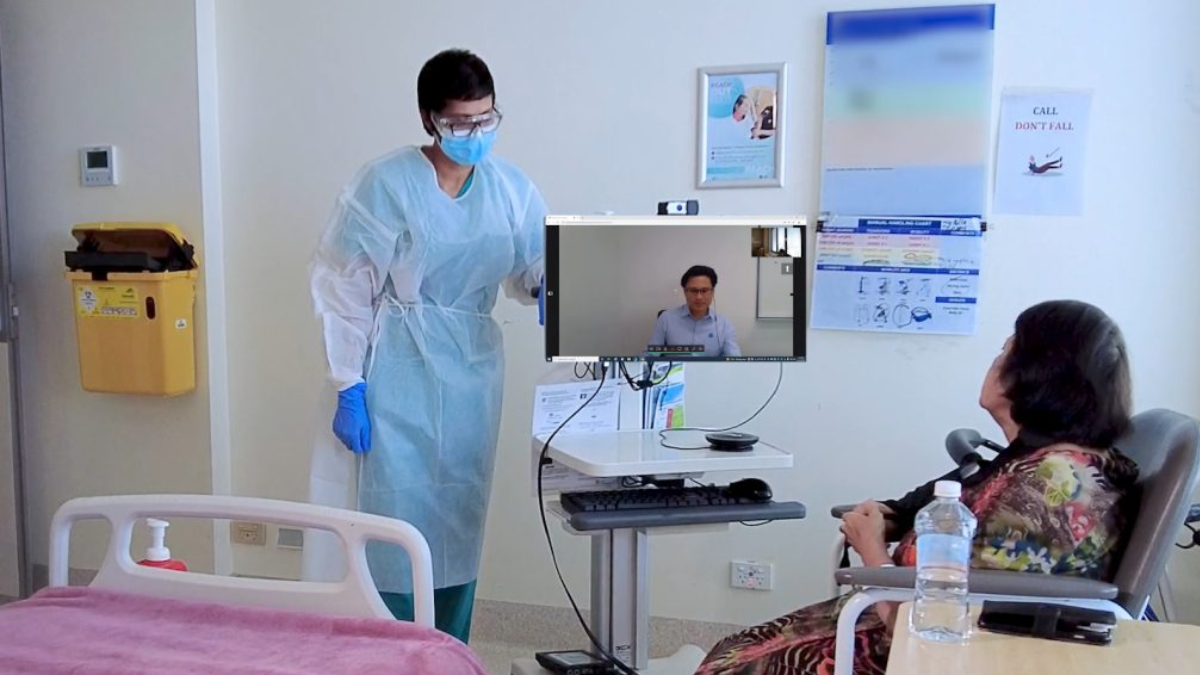

Ensuring patient safety is at the core of healthcare delivery. Hospitals around the world strive to maintain high standards of care, and one of the most effective ways to demonstrate this commitment is through accreditation. Hospital accreditation is not just a badge of honor; it is a systematic process that ensures healthcare facilities meet specific safety and quality standards.
What is Hospital Accreditation?
Hospital accreditation is a formal recognition that a healthcare facility meets predefined quality and safety standards set by an authoritative body. These standards cover various aspects of hospital operations, including patient care, staff qualifications, infection control, medication management, and facility safety. Accreditation is typically awarded by independent organizations such as the Joint Commission International (JCI), National Accreditation Board for Hospitals & Healthcare Providers (NABH), or other regional accrediting agencies.
Key Goals of Hospital Accreditation
- Patient Safety: Reducing errors, preventing infections, and ensuring safe clinical practices.
- Quality Improvement: Promoting consistent and evidence-based care across all hospital departments.
- Regulatory Compliance: Ensuring hospitals meet national or international healthcare regulations.
- Public Trust: Demonstrating a hospital’s commitment to high-quality care to patients and their families.
The Accreditation Process
Accreditation is not a one-time achievement but a continuous process. Hospitals undergo rigorous evaluations, which generally include the following steps:
1. Self-Assessment
Hospitals first perform an internal review of their processes, facilities, and documentation to identify gaps in compliance with accreditation standards.
2. External Evaluation
Accrediting bodies send surveyors to the hospital to conduct on-site inspections, observe patient care, review records, and interview staff.
3. Corrective Actions
Hospitals must address any deficiencies identified during the evaluation and implement corrective measures to meet the required standards.
4. Accreditation Award
Once the hospital successfully meets the standards, accreditation is granted for a specific period, often 2–3 years. Hospitals are then subject to periodic reassessments to ensure ongoing compliance.
Why Accreditation Matters for Patient Safety
Patient safety is a critical concern in healthcare. Accreditation plays a vital role in minimizing risks and improving outcomes.
Standardized Clinical Practices
Accredited hospitals follow evidence-based protocols for procedures, medication administration, and infection control. Standardization reduces variations in care, which can prevent medical errors.
Infection Control and Hygiene
Infections acquired in hospitals can be life-threatening. Accreditation ensures strict hygiene standards, sterilization processes, and monitoring systems to reduce hospital-acquired infections.
Staff Competency and Training
Hospitals must maintain highly trained medical, nursing, and support staff. Accreditation often requires ongoing education and competency assessments, ensuring that staff can deliver safe and effective care.
Patient-Centered Care
Accreditation emphasizes the importance of patient rights, informed consent, and communication. Patients receive care that respects their needs and preferences, contributing to safer and more satisfactory outcomes.
Continuous Quality Improvement
Accredited hospitals implement quality improvement programs, routinely monitor performance metrics, and learn from adverse events to prevent future errors.
Examples of Hospital Accreditation Bodies
- Joint Commission International (JCI): Recognized worldwide, focuses on comprehensive quality and safety standards.
- National Accreditation Board for Hospitals & Healthcare Providers (NABH): India-based accreditation focusing on patient safety and hospital management.
- Healthcare Facilities Accreditation Program (HFAP): Offers accreditation in the U.S., focusing on patient safety and regulatory compliance.
- Accreditation Canada: Provides national standards and quality improvement frameworks for Canadian hospitals.
Challenges in Achieving Accreditation
While accreditation brings many benefits, hospitals may face challenges such as:
- High costs of compliance and implementation of quality systems.
- Staff resistance to new protocols or additional documentation requirements.
- Continuous monitoring and periodic audits demanding significant resources.
Despite these challenges, the advantages in terms of patient safety, public trust, and overall quality far outweigh the difficulties.
Conclusion
Hospital accreditation is more than a certificate; it is a commitment to excellence in patient care and safety. By adhering to rigorous standards, accredited hospitals minimize errors, enhance patient outcomes, and foster a culture of continuous improvement. For patients, accreditation provides reassurance that the hospital prioritizes their safety, well-being, and quality care.
FAQs
1. Is hospital accreditation mandatory?
No, accreditation is generally voluntary, but it is highly recommended as it demonstrates commitment to quality and safety.
2. How often do hospitals need to renew accreditation?
Accreditation is typically valid for 2–3 years, after which hospitals must undergo reassessment.
3. Does accreditation improve patient outcomes?
Yes, studies have shown that accredited hospitals often have lower rates of errors, infections, and mortality.
4. Can small hospitals achieve accreditation?
Yes, small hospitals can achieve accreditation by implementing quality standards and focusing on patient safety.
5. Does accreditation cover only clinical care?
No, accreditation evaluates both clinical and non-clinical aspects, including administration, facility safety, and patient rights.