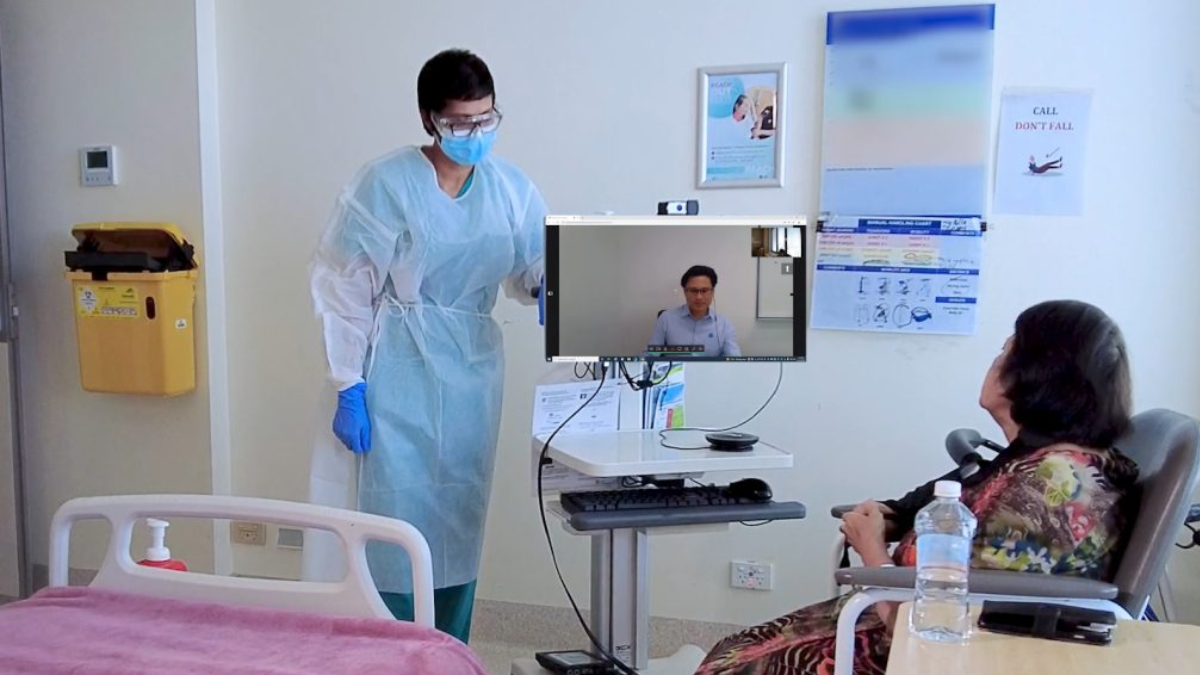

Hospital management is the backbone of any successful healthcare system. When you visit a hospital, you mostly see doctors, nurses, and patients. But behind this visible side, there is an entire management structure making sure that services run smoothly, resources are used wisely, and patients receive safe, timely, and quality care.
This guide is designed for beginners who want to understand what hospital management is, how it works, and why it is so important in modern healthcare.
What Is Hospital Management?
Hospital management refers to the planning, organizing, directing, and controlling of all activities within a hospital or healthcare facility. It ensures that clinical and non-clinical operations work together in a coordinated and efficient way.
Key Goals of Hospital Management
Smooth daily operations of the hospital
High quality and safe patient care
Efficient use of resources such as staff, equipment, and finances
Compliance with laws, regulations, and standards
Good patient experience and satisfaction
Long-term growth and sustainability of the hospital
Main Areas of Hospital Management
Hospital management is not just one job; it covers many interconnected areas.
Clinical Management
Clinical management focuses on the departments that directly provide medical care, such as emergency, surgery, intensive care, maternity, pediatrics, and more.
Hospital managers work with doctors and nurses to ensure that:
Protocols and clinical guidelines are followed
Emergency care is available and well-organized
Beds and operation theaters are allocated properly
Equipment and medicines are available when needed
Administrative Management
Administrative management handles the “back-office” of the hospital. This includes:
Registration and reception
Billing and insurance coordination
Record keeping and documentation
General administration and coordination between departments
Even though it is not directly clinical, strong administrative management helps reduce waiting times, avoid confusion, and make the patient journey smoother.
Financial Management
No hospital can survive without proper financial management. This includes:
Budget planning
Cost control and revenue management
Handling payments from patients, insurance companies, and government schemes
Investment decisions for new equipment, technology, or expansion
The challenge for hospital managers is to maintain financial health without compromising patient care quality.
Human Resource Management (HRM)
Hospitals depend heavily on human resources. Doctors, nurses, technicians, cleaners, receptionists, and managers all play crucial roles. HR in hospitals focuses on:
Recruitment and selection of the right staff
Training and continuous education
Scheduling and shift management
Staff performance evaluation
Maintaining staff satisfaction and reducing burnout
Because hospitals work 24/7, HR management becomes even more complex and critical.
Operations and Support Services Management
Support services may not seem glamorous, but they are essential:
Housekeeping and cleanliness
Security
Cafeteria and diet services
Laundry and linen management
Biomedical waste management
Ambulance services
Good management in these areas helps prevent infections, ensures safety, and improves patient comfort.
The Role of Technology in Hospital Management
Technology has transformed how hospitals work.
Hospital Information Systems (HIS)
HIS is software that helps manage patient data, appointments, billing, reports, and more. With HIS, hospitals can:
Store and access patient records quickly
Reduce paperwork and errors
Track performance and generate reports for decision-making
Electronic Medical Records (EMR)
EMRs replace paper files and allow doctors and nurses to access a patient’s medical history, lab reports, prescriptions, and treatment plans digitally. This:
Improves accuracy
Saves time
Supports better continuity of care
Telemedicine and Digital Health
Hospital management today also includes planning and managing:
Online consultations
Remote monitoring of patients
Digital platforms for booking appointments and receiving reports
These services increase access to healthcare and improve convenience for patients.
Planning and Strategy in Hospital Management
Hospitals cannot just focus on day-to-day problems; they also need long-term vision.
Strategic Planning
Strategic planning includes:
Deciding which services to expand or introduce
Planning for new buildings, equipment, or branches
Understanding community health needs
Preparing for future challenges such as pandemics or policy changes
Good strategic planning ensures that the hospital remains relevant and competitive.
Risk Management and Disaster Preparedness
Hospitals must be ready for:
Disease outbreaks
Natural disasters such as floods or earthquakes
Accidents or mass casualty situations
Risk management includes policies, training, drills, and resource planning so that the hospital can continue to function during emergencies.
Quality and Patient Safety in Hospital Management
High quality and safe care is the heart of good hospital management.
Quality Assurance Programs
Hospitals often create quality teams to:
Monitor infection rates
Track readmission and complication rates
Review medical errors or near-misses
Conduct audits and feedback sessions
The aim is to continuously improve services and reduce risks.
Hospital Accreditation
Many hospitals try to obtain accreditation from national or international bodies. Accreditation:
Sets clear standards of quality and safety
Provides regular checks and audits
Builds trust among patients and the community
Patient Experience and Communication
Hospital management is not only about systems and numbers; it is also about people.
Building a Positive Patient Experience
Hospitals focus on:
Respectful and clear communication
Comfortable waiting areas and wards
Realistic waiting times
Guidance and support during admission, treatment, and discharge
A positive patient experience increases trust and reputation and encourages patients to return or recommend the hospital.
Handling Feedback and Complaints
A good hospital:
Listens to patient feedback
Responds quickly to complaints
Uses feedback to improve processes and staff behavior
This creates a culture of transparency and accountability.
The Hospital Manager: Skills and Responsibilities
Hospital managers can work at different levels: department heads, unit managers, administrators, chief executive officers (CEOs), and more.
Key Responsibilities of Hospital Managers
Coordinating between clinical and non-clinical departments
Managing budgets, staff, and daily operations
Ensuring legal and regulatory compliance
Leading quality improvement initiatives
Solving operational problems and handling crises
Essential Skills for Hospital Managers
Leadership and decision-making
Communication and negotiation
Problem-solving and analytical thinking
Understanding of healthcare laws and policies
Basic knowledge of medical processes and terminology
Technology and data literacy
Careers in Hospital Management
For those interested in hospital management, there are many career options.
Common Roles in Hospital Management
Hospital Administrator
Operations Manager
Quality Manager
HR Manager in healthcare
Finance Manager in hospitals
Medical Superintendent (usually a doctor with management responsibilities)
Health Information Manager
Many people enter this field with degrees such as MBA in Hospital Management, Master’s in Healthcare Administration, or specialized diplomas in healthcare management.
Challenges in Hospital Management
Hospital management is rewarding but challenging.
Common Challenges
Balancing cost control with quality care
Managing staff shortages and burnout
Keeping up with new regulations and technologies
Handling patient expectations and high workloads
Managing emergencies and unpredictable situations
How Managers Deal with These Challenges
They focus on:
Strong planning and prioritization
Training staff and promoting teamwork
Using technology to improve efficiency
Listening to feedback from both patients and staff
Continuous learning and adapting to changes
Conclusion
Hospital management is a complex but vital field that brings together medicine, administration, finance, technology, and human relations. While doctors and nurses provide direct care, hospital managers create the structure, systems, and environment that allow high-quality care to happen every day.
For beginners, understanding hospital management means recognizing how every department and decision contributes to patient safety, satisfaction, and overall hospital performance. As healthcare becomes more advanced and patient expectations grow, skilled hospital managers will play an even more important role in shaping the future of healthcare. If you are interested in a career that combines service, leadership, and problem-solving, hospital management can be a powerful and meaningful path.
FAQs
1. What is the difference between hospital management and healthcare management?
Hospital management focuses specifically on managing hospitals or similar healthcare facilities. Healthcare management is a broader term that can include hospitals, clinics, insurance organizations, public health systems, and other health-related institutions. Hospital management is a part of healthcare management.
2. Do hospital managers need a medical background?
Not always. Many hospital managers come from business, management, finance, or administrative backgrounds. However, having some basic understanding of medical terminology and clinical processes is very helpful. Some hospitals prefer or require doctors with management training for certain leadership positions.
3. Why is quality and accreditation important in hospital management?
Quality and accreditation ensure that hospitals follow standardized guidelines for safety, hygiene, patient care, and management processes. This reduces risks, improves outcomes, and builds trust among patients, staff, and regulators. Accredited hospitals are often seen as more reliable and professional.
4. How does technology help in hospital management?
Technology supports hospital management by improving record-keeping, appointment scheduling, billing, and communication. Systems like Hospital Information Systems (HIS) and Electronic Medical Records (EMR) help reduce errors, save time, and provide accurate data for decision-making. Telemedicine and digital platforms also expand access and convenience for patients.
5. Is hospital management a good career for the future?
Yes, hospital management is a growing field. Healthcare needs are increasing, and hospitals are becoming more complex. This creates demand for skilled managers who can handle operations, finance, quality, and technology. With the right education and skills, hospital management can offer stable, impactful, and well-respected career opportunities.