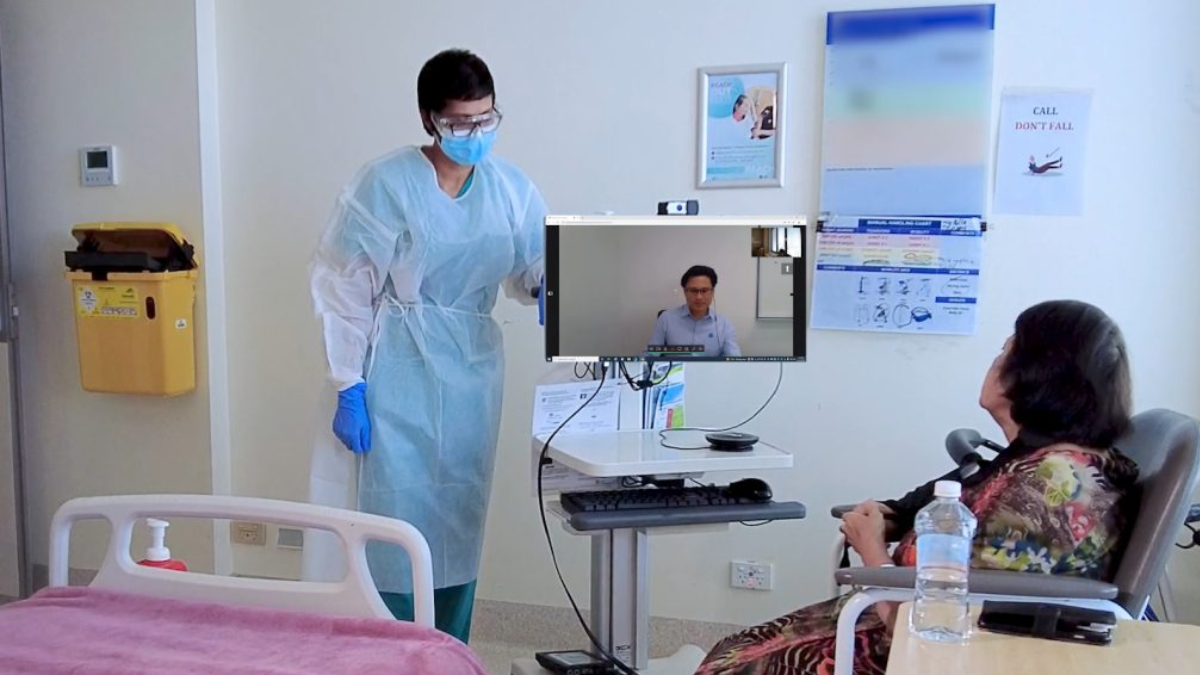
Modern hospitals aim to provide high-quality, safe, and patient-centered care. While medical staff strive to ensure optimal treatment, patients also play a crucial role in achieving better healthcare outcomes. Understanding patient rights and responsibilities is essential for fostering mutual respect, improving communication, and ensuring a safe and efficient healthcare environment.
What Are Patient Rights?
Patient rights are the legal and ethical entitlements that allow individuals to receive healthcare in a safe, respectful, and informed manner. These rights are designed to protect patients, ensure transparency, and maintain trust between patients and healthcare providers.
Key Patient Rights in Modern Hospitals
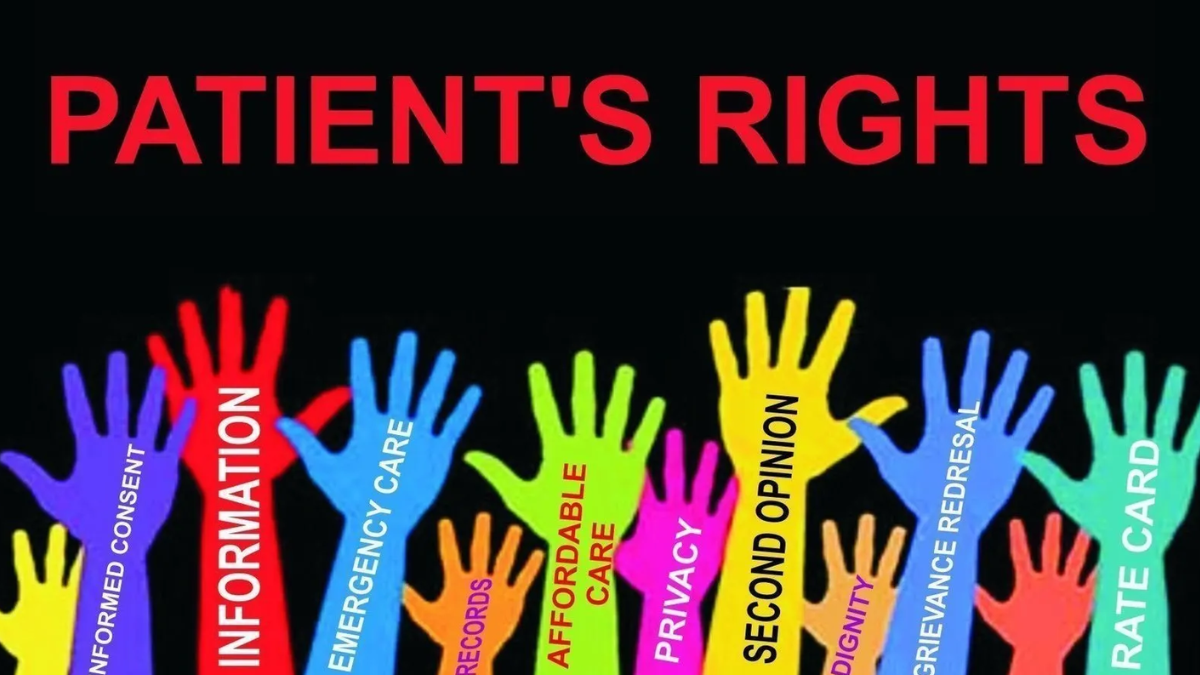
- Right to Informed Consent
Patients have the right to receive complete information about their diagnosis, treatment options, risks, and benefits. Informed consent ensures that patients make decisions based on a clear understanding of their medical condition. - Right to Privacy and Confidentiality
Hospitals must protect patient information, whether in medical records, online systems, or verbal communications. Personal health information should only be shared with authorized personnel. - Right to Respect and Dignity
Every patient deserves courteous, respectful, and non-discriminatory care, regardless of their age, gender, ethnicity, or socioeconomic status. - Right to Access Medical Records
Patients can review their medical records and request corrections if necessary, ensuring accuracy and transparency in their healthcare journey. - Right to Emergency Care
Hospitals are obligated to provide timely medical attention in emergencies, without discrimination or delay. - Right to Participate in Decision-Making
Patients have the right to be actively involved in decisions regarding their treatment, care plans, and end-of-life preferences. - Right to Complaint and Feedback
Patients can report concerns, dissatisfaction, or grievances regarding care received, and hospitals must have systems to address and resolve these issues effectively.
Understanding Patient Responsibilities
While hospitals must respect patient rights, patients also have responsibilities to ensure their care is effective and safe.
Key Patient Responsibilities
- Providing Accurate Health Information
Patients should share complete and truthful information about their medical history, medications, allergies, and lifestyle factors. Accurate information helps healthcare providers make informed decisions. - Following Medical Advice
Adhering to prescribed treatments, medication schedules, and follow-up appointments is crucial for achieving desired health outcomes. - Respecting Hospital Policies
Patients must comply with hospital rules, including safety protocols, visiting hours, and infection control measures. - Respecting Healthcare Staff and Other Patients
Courtesy and cooperation with doctors, nurses, and other patients contribute to a safe and harmonious hospital environment. - Financial Responsibility
Patients are responsible for timely payment of bills or communicating financial concerns to the hospital to avoid disruption of care. - Active Participation in Care
Engaging in discussions, asking questions, and expressing preferences helps healthcare providers deliver personalized care.
Importance of Patient Rights and Responsibilities
Enhancing Patient Safety
Understanding rights and responsibilities helps patients actively participate in their care, reducing the risk of errors, complications, and miscommunication.
Improving Healthcare Quality
Hospitals that respect patient rights and encourage responsibility foster trust, better cooperation, and higher satisfaction levels.
Legal and Ethical Compliance
Adhering to patient rights is a legal requirement in many countries. Hospitals are legally accountable for violations, while patients have the right to seek redress.
Promoting Mutual Respect
Clear awareness of rights and responsibilities creates a respectful environment where patients and healthcare providers collaborate effectively.
Challenges in Implementing Patient Rights
- Lack of awareness among patients regarding their rights and responsibilities.
- Language barriers and low health literacy.
- Hospital staff shortages leading to rushed consultations.
- Cultural and social factors affecting patient participation.
Hospitals are addressing these challenges through patient education programs, multilingual communication materials, and dedicated patient rights officers.
Conclusion
Patient rights and responsibilities are the foundation of modern healthcare. They empower patients to actively participate in their care while ensuring hospitals maintain high standards of safety, ethics, and professionalism. By understanding and respecting these principles, both patients and healthcare providers contribute to a healthier, safer, and more patient-centered hospital environment.
FAQs
1. Are patient rights the same in all countries?
Patient rights may vary by country, but core principles such as informed consent, privacy, and respectful care are universally recognized.
2. Can a patient refuse treatment?
Yes, patients have the right to refuse treatment after being fully informed of the risks and consequences.
3. How can patients provide feedback or complaints?
Hospitals usually have patient feedback systems, complaint forms, or dedicated patient rights officers to address concerns.
4. Do patients need to follow hospital rules strictly?
Yes, following hospital policies ensures safety and smooth operations for both patients and staff.
5. How can hospitals improve awareness of patient rights?
Hospitals can use brochures, posters, digital campaigns, counseling sessions, and staff training programs to educate patients effectively.