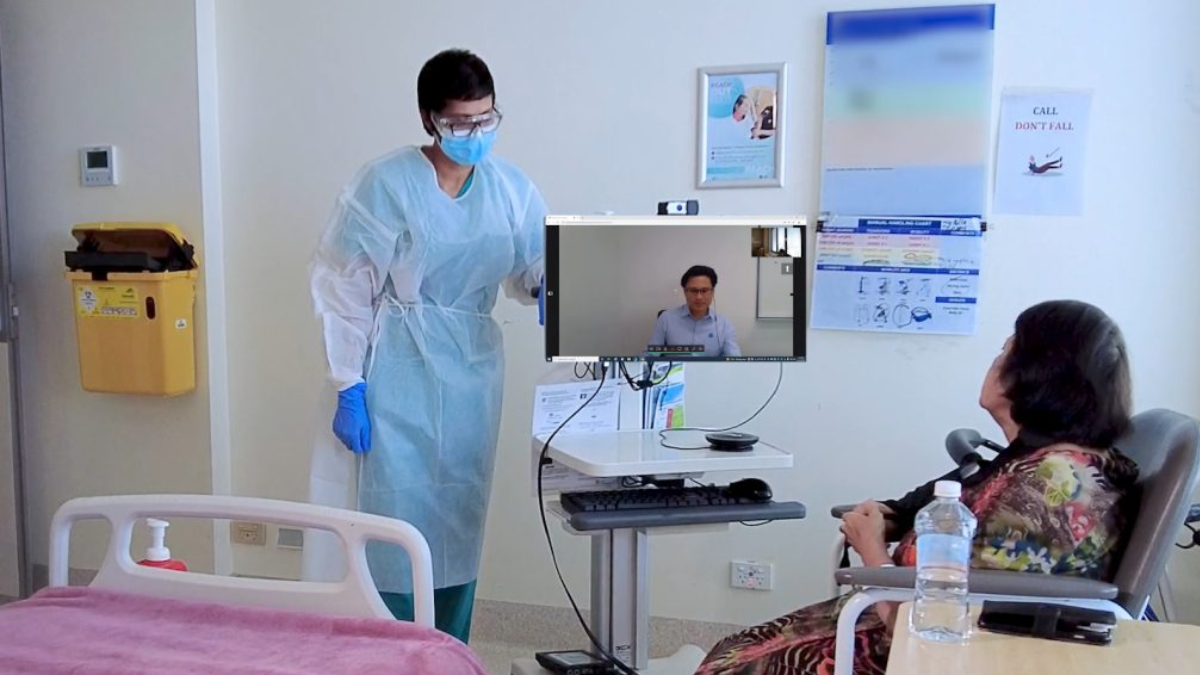

Mental health is an integral part of overall well-being, influencing how individuals think, feel, and act in daily life. Hospitals play a crucial role in providing mental health services, offering both acute and long-term care for individuals experiencing psychological, emotional, or behavioral challenges. Access to quality mental health care can significantly improve outcomes, reduce the burden of mental illness, and promote social and emotional stability. Understanding the scope, importance, and accessibility of hospital-based mental health services is vital for patients, caregivers, and communities.
Understanding Mental Health Services in Hospitals
Mental health services in hospitals encompass a broad range of care options, from evaluation and diagnosis to treatment, therapy, and rehabilitation. These services cater to diverse mental health conditions, including depression, anxiety, bipolar disorder, schizophrenia, post-traumatic stress disorder (PTSD), and substance abuse disorders.
Key Objectives of Hospital Mental Health Services
- Assessment and Diagnosis: Identifying mental health conditions through evaluation and standardized assessments.
- Treatment and Therapy: Offering medications, psychotherapy, and counseling tailored to individual needs.
- Crisis Intervention: Immediate support for individuals experiencing acute mental health episodes.
- Rehabilitation: Assisting patients in recovering functionality and reintegrating into daily life.
- Patient Education: Promoting awareness and self-care strategies to prevent relapse.
Types of Mental Health Services in Hospitals
Hospitals provide a variety of mental health services, designed to meet the needs of different patients.
Inpatient Mental Health Care
Inpatient care is for individuals requiring intensive supervision and treatment in a controlled environment.
- Acute Psychiatric Units: Manage severe mental health crises requiring 24-hour monitoring.
- Stabilization Services: Help patients stabilize symptoms, such as severe depression or psychosis.
- Structured Programs: Include therapy sessions, medication management, and daily routines.
Outpatient Mental Health Services
Outpatient services allow patients to receive care while living at home.
- Psychiatric Consultations: Diagnosis, treatment planning, and medication management.
- Psychotherapy: Individual, group, or family therapy sessions.
- Follow-Up Programs: Regular monitoring to prevent relapse and manage chronic conditions.
Emergency Mental Health Services
Hospitals provide immediate support for psychiatric emergencies, such as:
- Suicidal ideation or attempts
- Severe anxiety or panic attacks
- Psychotic episodes or hallucinations
- Aggressive or harmful behavior
Emergency mental health services often include assessment, stabilization, and referral to specialized care.
Specialized Mental Health Programs
Hospitals may offer programs targeting specific populations or conditions.
- Child and Adolescent Psychiatry: Addressing developmental, behavioral, and emotional issues in young patients.
- Geriatric Psychiatry: Managing dementia, depression, and anxiety in older adults.
- Substance Abuse and Addiction Programs: Detoxification, counseling, and relapse prevention.
- Trauma and PTSD Services: Support for individuals affected by accidents, abuse, or disasters.
Importance of Mental Health Services in Hospitals
Hospital-based mental health services are critical for several reasons:
Early Intervention
Early diagnosis and treatment prevent the worsening of symptoms and improve long-term outcomes. Hospitals provide screening and evaluation to detect conditions promptly.
Comprehensive Care
Hospitals offer multidisciplinary teams, including psychiatrists, psychologists, nurses, social workers, and therapists, ensuring holistic care.
Crisis Management
Acute psychiatric crises require immediate attention to prevent harm to patients or others. Hospitals are equipped to manage emergencies safely and effectively.
Integration with Physical Health
Mental and physical health are closely linked. Hospitals ensure integrated care, addressing both psychological and medical conditions simultaneously.
Reducing Stigma
Providing mental health services in hospitals normalizes care, encouraging patients to seek help without shame or fear.
Accessing Mental Health Services in Hospitals
Access to mental health services can vary based on location, resources, and insurance coverage. Understanding how to access care is essential for patients and families.
Referral and Admission
- Patients can be referred by primary care physicians, therapists, or self-refer for psychiatric evaluation.
- Inpatient admission is usually required for acute or severe cases, while outpatient services are suitable for ongoing care.
Insurance and Financial Considerations
- Many hospitals accept insurance plans that cover mental health services.
- Some government programs, non-profits, and hospital-based assistance programs help uninsured or low-income patients.
- Understanding coverage for therapy sessions, medications, and inpatient stays is crucial.
Telemedicine and Remote Access
Telepsychiatry and virtual counseling expand access to mental health services, especially in rural or underserved areas.
- Video consultations for therapy and medication management
- Remote monitoring and support for chronic mental health conditions
- Flexible scheduling and reduced travel burden for patients
Community Outreach and Support
Hospitals often collaborate with community organizations to extend mental health support, including awareness campaigns, workshops, and preventive programs.
Best Practices for Hospitals to Enhance Mental Health Care
Hospitals can improve mental health service delivery through structured strategies.
Multidisciplinary Approach
Teams comprising psychiatrists, psychologists, nurses, and social workers provide holistic care. Collaborative care plans improve patient outcomes.
Evidence-Based Interventions
Implementing therapies and treatments supported by research, such as cognitive behavioral therapy (CBT), dialectical behavior therapy (DBT), and pharmacotherapy.
Patient-Centered Care
Engaging patients in decision-making, respecting preferences, and addressing individual needs enhances satisfaction and adherence to treatment.
Continuous Monitoring and Follow-Up
Regular assessments and follow-up visits prevent relapse, monitor medication effectiveness, and track patient progress.
Staff Training and Education
Hospital staff should receive training in mental health awareness, crisis management, and communication skills to provide compassionate care.
Reducing Barriers to Access
- Simplifying referral processes
- Offering flexible appointment schedules
- Providing financial counseling and support
- Using telehealth for remote or follow-up care
Challenges in Hospital Mental Health Services
Despite progress, hospitals face challenges in providing mental health care.
Stigma and Cultural Barriers
Patients may hesitate to seek help due to societal stigma, fear, or cultural misconceptions about mental illness.
Shortage of Mental Health Professionals
High demand and limited availability of qualified psychiatrists, psychologists, and counselors can delay care.
Limited Resources
Hospitals may face budget constraints that affect staffing, inpatient beds, and therapy program availability.
Complexity of Mental Health Conditions
Mental illnesses often co-exist with chronic physical conditions, requiring complex, individualized care plans.
Emergency and Crisis Overload
High volumes of psychiatric emergencies can strain hospital resources and affect the quality of care.
Tips for Patients and Families
Patients and families can take steps to access and optimize mental health care in hospitals:
- Seek help early, even for mild symptoms.
- Keep a detailed record of medical history, medications, and prior treatments.
- Ask questions about diagnosis, treatment options, and therapy plans.
- Participate actively in therapy and follow prescribed medication regimens.
- Explore support groups and community programs offered by hospitals.
- Utilize telemedicine for follow-ups or counseling if in-person visits are challenging.
- Advocate for mental health awareness within family and community.
Conclusion
Mental health services in hospitals are essential for ensuring comprehensive care, managing crises, and promoting overall well-being. Hospitals provide a range of services, from inpatient and outpatient care to emergency interventions and specialized programs for different age groups and conditions. Access to quality mental health care improves patient outcomes, reduces the burden of mental illness, and fosters a supportive environment for patients and families. By increasing awareness, reducing stigma, and enhancing accessibility, hospitals can play a pivotal role in promoting mental health and improving the quality of life for individuals in need.
FAQs
1. What types of mental health services are offered in hospitals?
Hospitals offer inpatient and outpatient care, emergency psychiatric services, therapy and counseling, substance abuse programs, and specialized care for children, adolescents, and older adults.
2. How can patients access mental health services in hospitals?
Patients can access care through referrals, self-admission, or telemedicine services. Insurance coverage and hospital assistance programs may support access.
3. Are hospital mental health services covered by insurance?
Many insurance plans cover hospital mental health services, including therapy, medications, and inpatient stays. Coverage may vary by plan and provider.
4. What is the role of telemedicine in mental health care?
Telemedicine allows patients to access psychiatric consultations, therapy sessions, and follow-ups remotely, improving access and convenience.
5. Why is hospital-based mental health care important?
Hospital-based care provides comprehensive evaluation, crisis management, integrated treatment with physical health services, and access to multidisciplinary teams, ensuring patient safety and effective recovery.